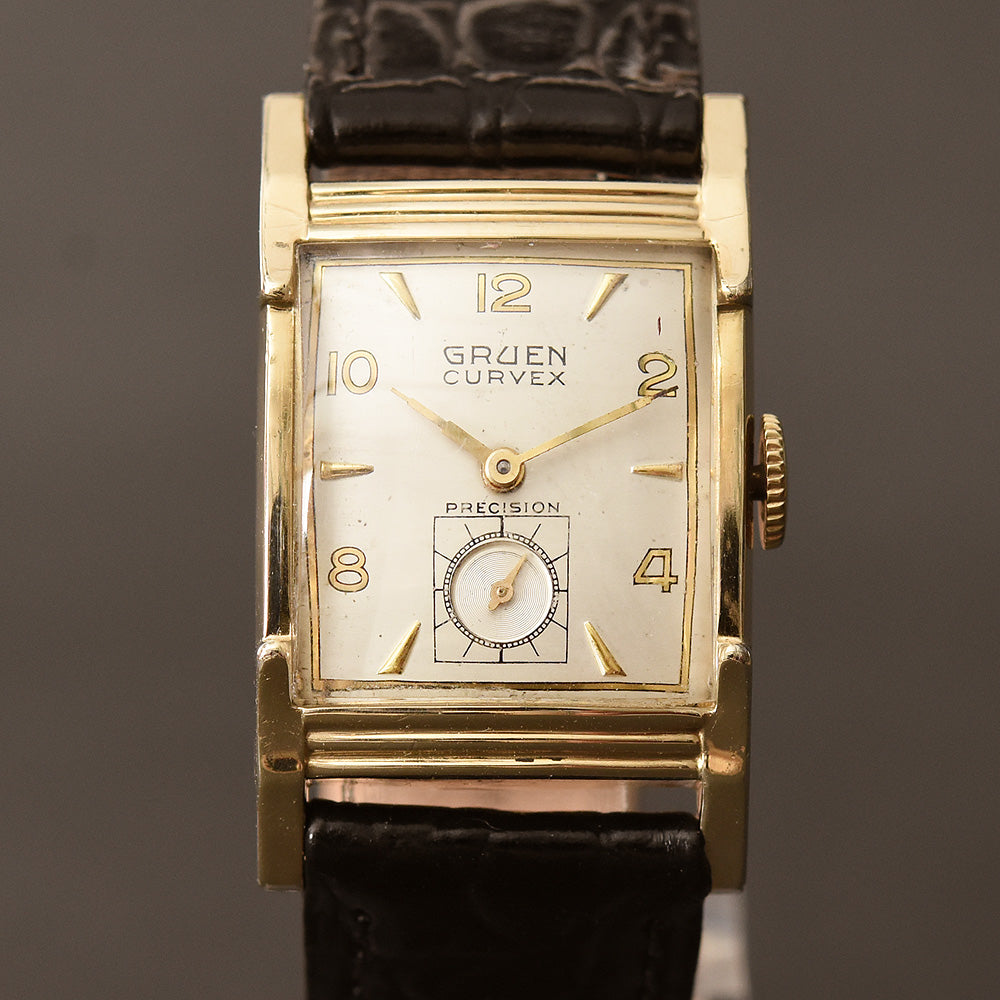
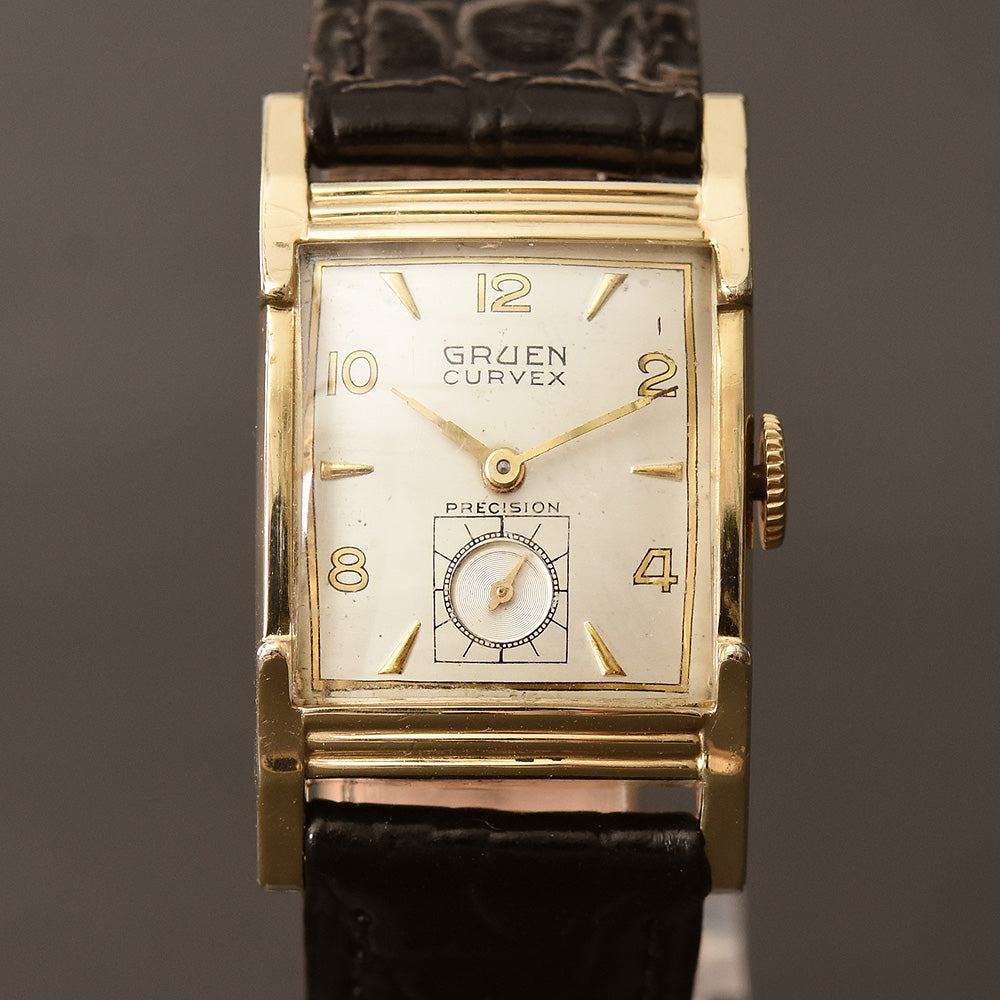
Gruen watches represent a unique chapter in American watchmaking history, blending Swiss precision with American style and innovation. Founded in 1900 by Dietrich Gruen and his sons, the Gruen Watch Company became known for its elegant designs, high-quality movements, and forward-thinking engineering. Gruen introduced innovations like the VeriThin movements and the iconic Curvex, one of the first watches designed to follow the natural curve of the wrist. Popular throughout the early to mid-20th century, Gruen watches were worn by everyone from businessmen to Hollywood stars and became a symbol of refined taste. Today, vintage Gruen models remain highly collectible, especially the Curvex and Precision lines, prized for their craftsmanship, Art Deco styling, and place in American horological history.
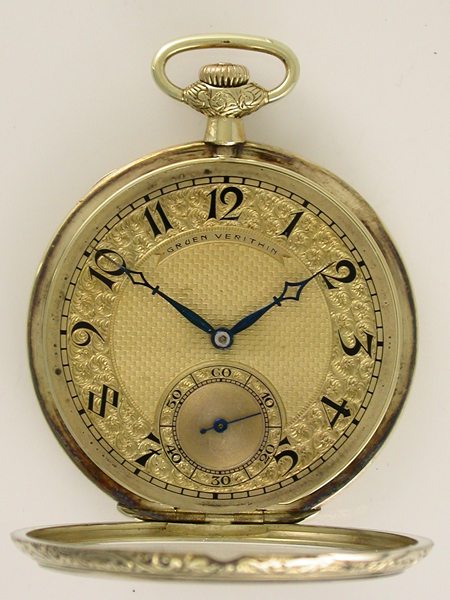
Early Years (1874–1900)
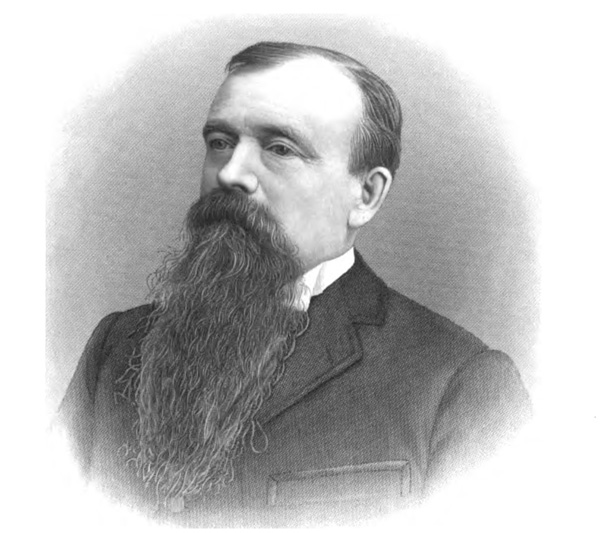
The story begins with Dietrich Gruen, a German-born watchmaker who immigrated to the United States. In 1874, he patented a safety pinion design that prevented damage to watch movements if the mainspring broke — an important innovation at the time.
He founded the Columbus Watch Manufacturing Company in Columbus, Ohio, and later reorganized it into the Columbus Watch Company, producing quality pocket watches. Gruen’s vision was always to combine Swiss craftsmanship with American mass-production efficiency.
Birth of the Gruen Watch Company (1900–1910)
In 1894, Dietrich Gruen and his sons Fred and George established D. Gruen & Son, which eventually became the Gruen Watch Company in 1900. The company focused on high-quality wristwatches at a time when pocket watches were still the norm.
Gruen began sourcing movements from Switzerland, primarily from a partnership with Aegler (who would later work with Rolex). These movements were then cased and finished in the United States, producing a hybrid of Swiss-American watchmaking.
The Guild Era (1910–1930s)
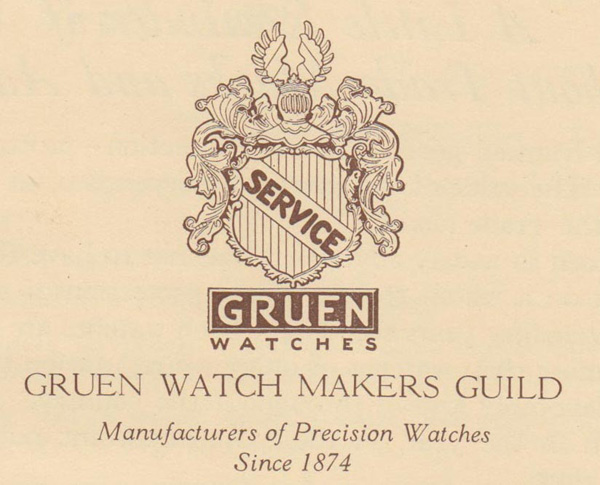
Gruen marketed their watches as products of the “Gruen Guild”, emphasizing quality and precision. The company’s factory in Biel/Bienne, Switzerland, became known as the Precision Factory, producing some of the best mid-tier movements of the era.
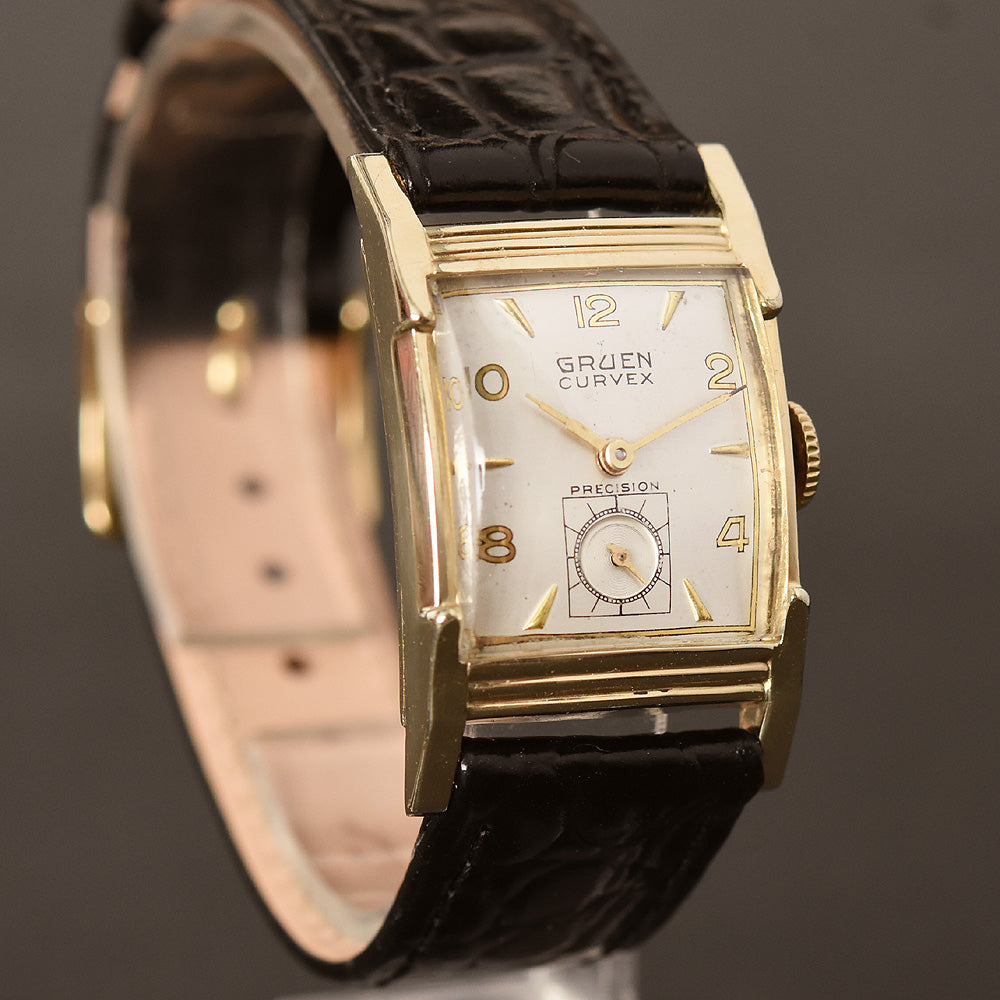
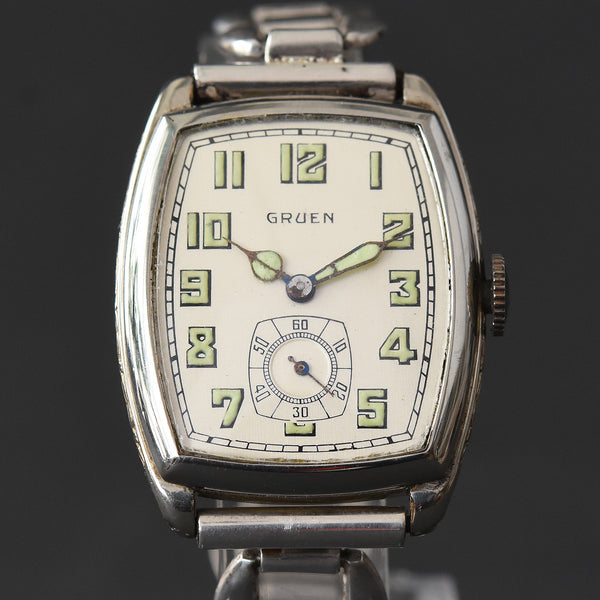
During the 1920s and 1930s, Gruen became one of the top American watch brands, rivaling Hamilton and Elgin. They were known for elegant rectangular and curvex wristwatches that followed the Art Deco style.
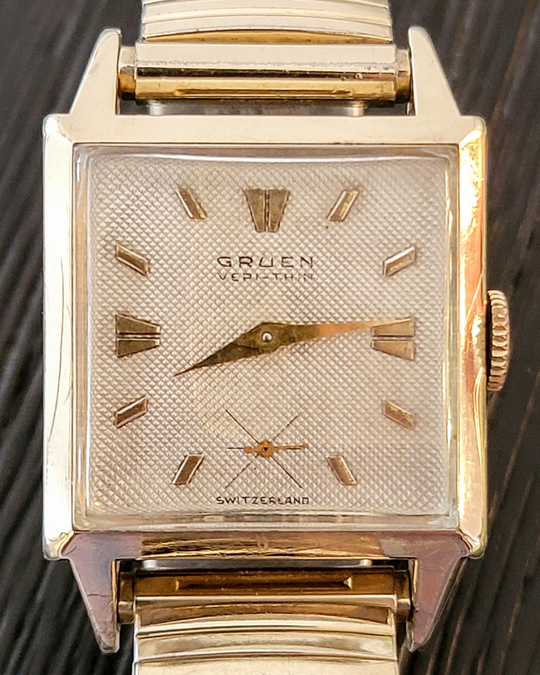
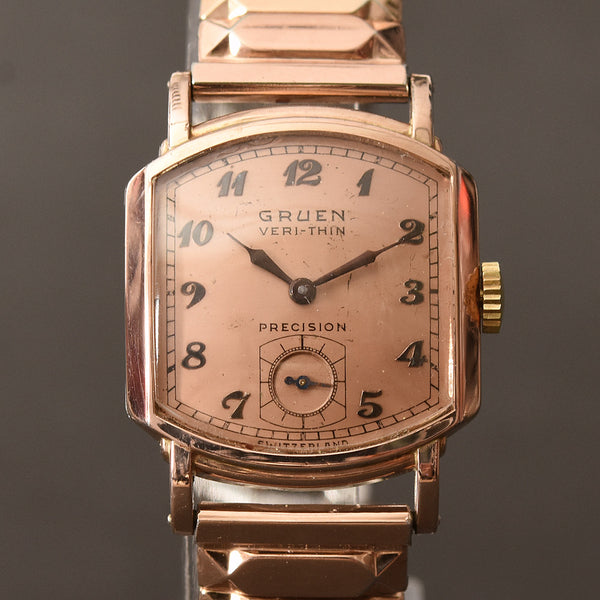
- 1921: Gruen introduced its famous VeriThin movements — slim watch calibers that allowed for sleeker designs.
- 1935: The iconic Curvex was introduced, a curved wristwatch designed to fit the contour of the wrist, with a movement that was curved to match the case. This was a revolutionary design at the time.
Mid-Century Success and Innovation (1940s–1950s)
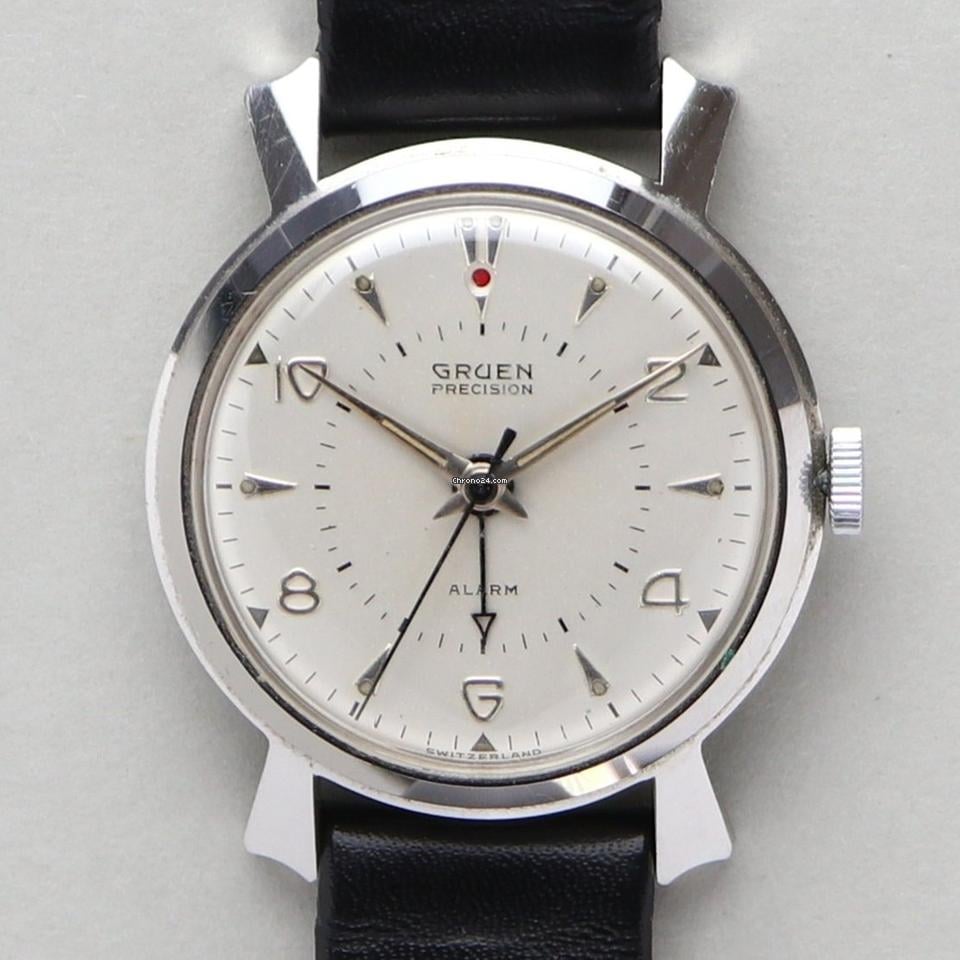
Gruen thrived during WWII and the post-war boom. Their watches were worn by military officers, businessmen, and Hollywood stars. The company produced a wide range of wristwatches, from affordable everyday models to high-grade precision timepieces.
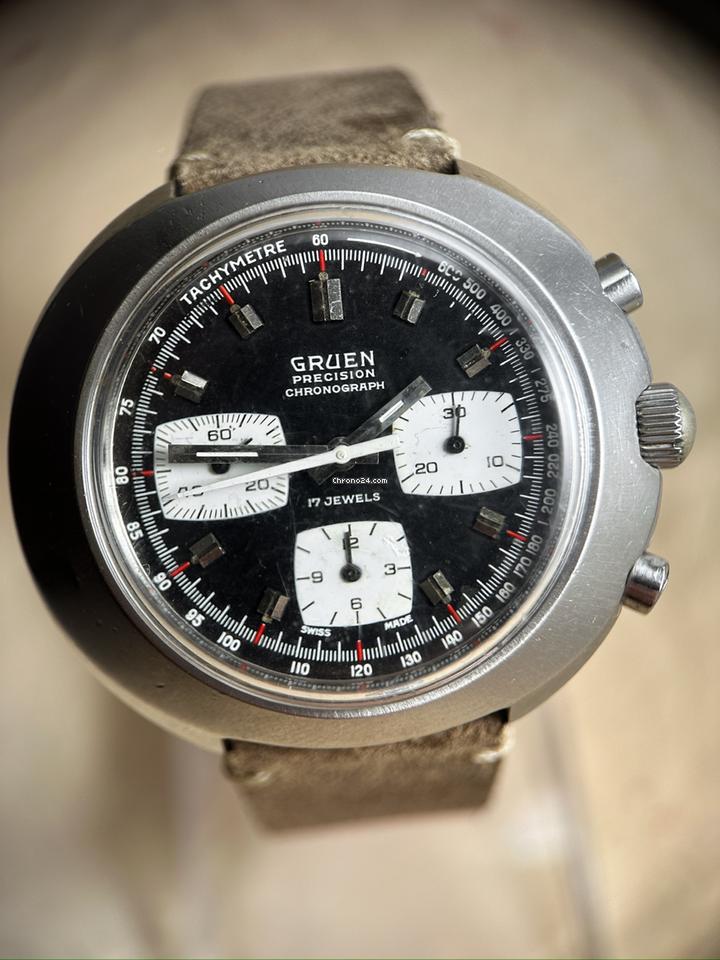
Some models from this era, like the Gruen Precision line, remain sought after by collectors today. The company was known for stylish, thin dress watches and accurate chronometers.
Decline and Closure (1960s–1970s)
By the 1950s and 1960s, competition increased — both from Swiss brands (like Omega and Rolex) and from rising Japanese companies (like Seiko). Gruen faced management and financial challenges.
- In 1953, the Gruen family sold the company.
- Production began shifting away from its historic Biel factory.
- By 1977, the original Gruen Watch Company ceased operations.
The Gruen name still exists today as a revived brand, but the original company’s heritage is from the 19th and 20th centuries.

Legacy
Gruen is remembered for its innovations in watch design — especially the Curvex and VeriThin — and for being one of the few American brands to successfully blend Swiss and American watchmaking techniques. Vintage Gruen watches remain collectible, with Curvex and early Precision models being especially prized.