Here’s a collection of interesting watch facts & information — perfect for enthusiasts, collectors, or anyone curious about horology:General Watch Facts
A typical mechanical movement can have anywhere from 100 to over 1,000 tiny parts working together.
The word “watch” comes from the Old English woecce, meaning “to keep alert.”
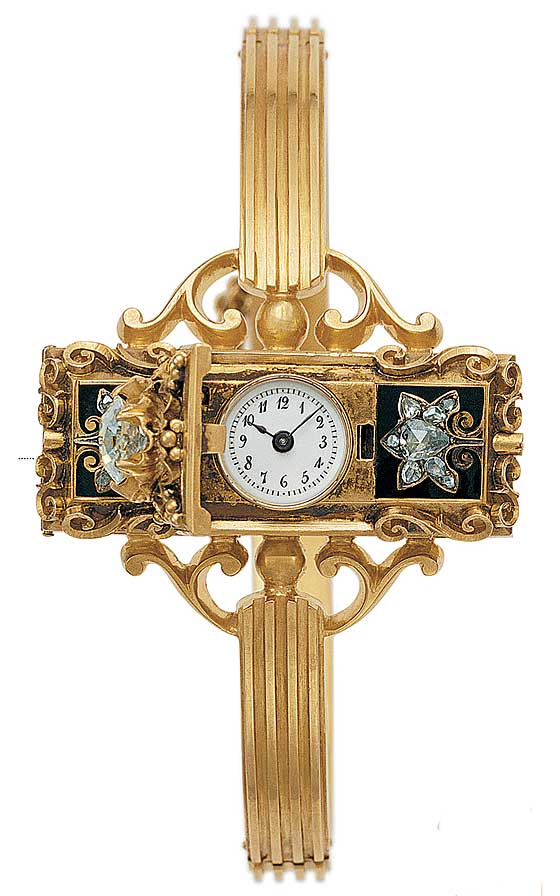
The first wristwatch was reportedly made by Patek Philippe in 1868 for Countess Koscowicz of Hungary.
Mechanical watches don’t need batteries — they run on a mainspring wound by hand or by motion (automatic).
Accuracy & Technology
Some quartz watches use radio-controlled signals or GPS to automatically sync to the correct time.
The most precise mechanical watches can be accurate to within +/- 2 seconds per day.
Quartz watches are far more precise — usually accurate to within 15 seconds per month.
Atomic clocks, used to set watch standards, lose only 1 second every 100 million years.
Watchmaking & Brands
- Switzerland is known as the world capital of watchmaking — but Japan (Seiko, Citizen, Casio) and Germany (A. Lange & Söhne, Glashütte Original) are also major players.
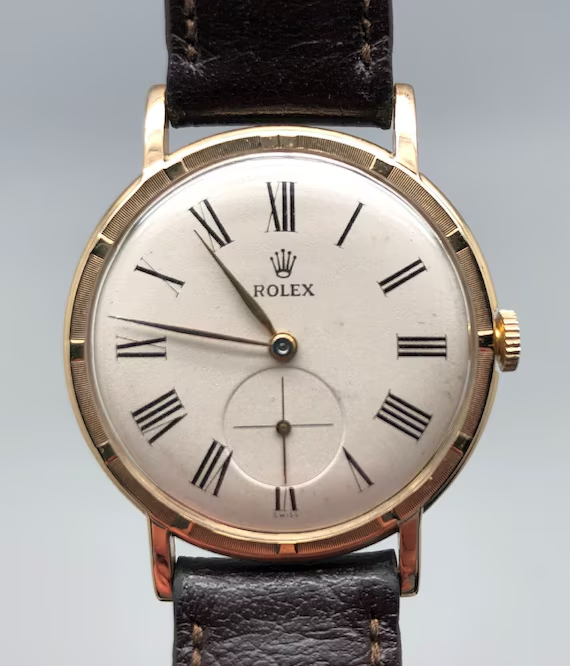
- Rolex makes around 1 million watches per year, but demand still far exceeds supply.
- Swatch Group owns many famous brands (Omega, Longines, Breguet, Tissot, Blancpain, Hamilton).
- Seiko created the first quartz wristwatch (1969) and also pioneered Spring Drive — a hybrid movement combining mechanical energy with quartz regulation.
Specialized Watches
- The first waterproof watch was the Rolex Oyster (1926).
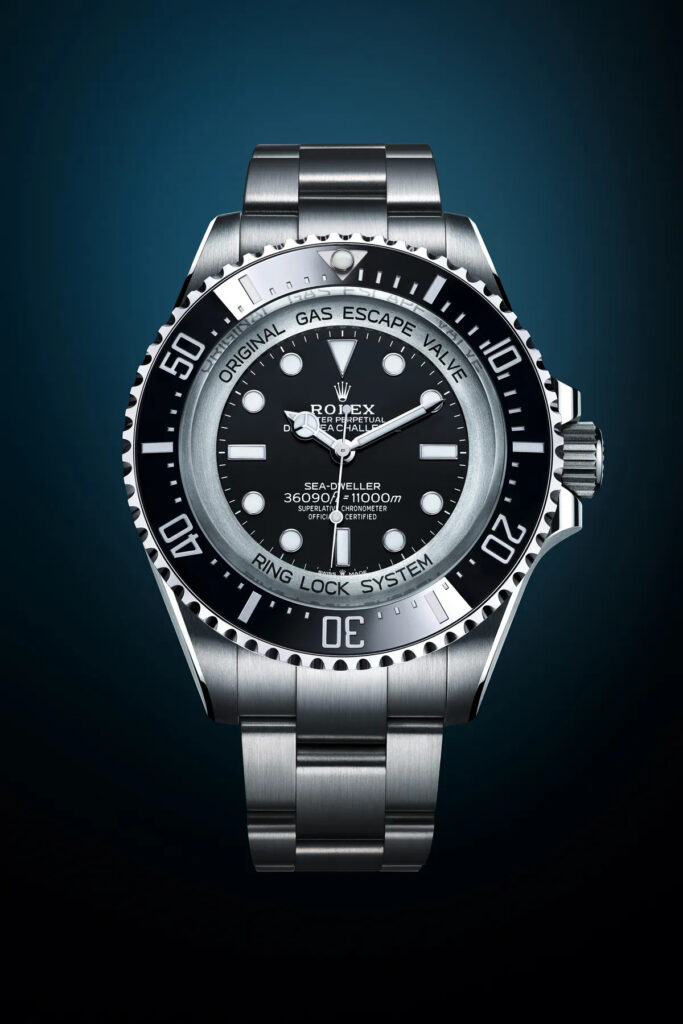
- The deepest-diving watch ever tested is the Rolex Deepsea Challenge, which reached the Mariana Trench (10,916 meters).
- Pilot watches often have large, easy-to-read dials and sometimes include slide rule bezels (like Breitling Navitimer).
Fun & Collectible Facts
- Some vintage watches sell for millions — Paul Newman’s Rolex Daytona sold for $17.8 million at auction.
- Grand Seiko is known for its zaratsu polishing, creating a distortion-free mirror finish.
- Tourbillon watches were invented by Abraham-Louis Breguet in 1801 to counter gravity’s effect on accuracy — they’re now a hallmark of high horology.
- Watch enthusiasts often call themselves “watch nerds” or “horology geeks.”

Famous & Record-Breaking Watches
Fastest Production: Swatch can produce a single quartz watch in under 90 minutes thanks to full automation.
World’s Most Expensive Watch: The Patek Philippe Grandmaster Chime Ref. 6300A-010 sold for $31 million in 2019.
Smallest Mechanical Watch Movement: Jaeger-LeCoultre’s Caliber 101 (1929) weighs just 1 gram and is still hand-assembled today.
Engineering Marvels
- Some mechanical watches have power reserves of 50+ days (A. Lange & Söhne Lange 31).
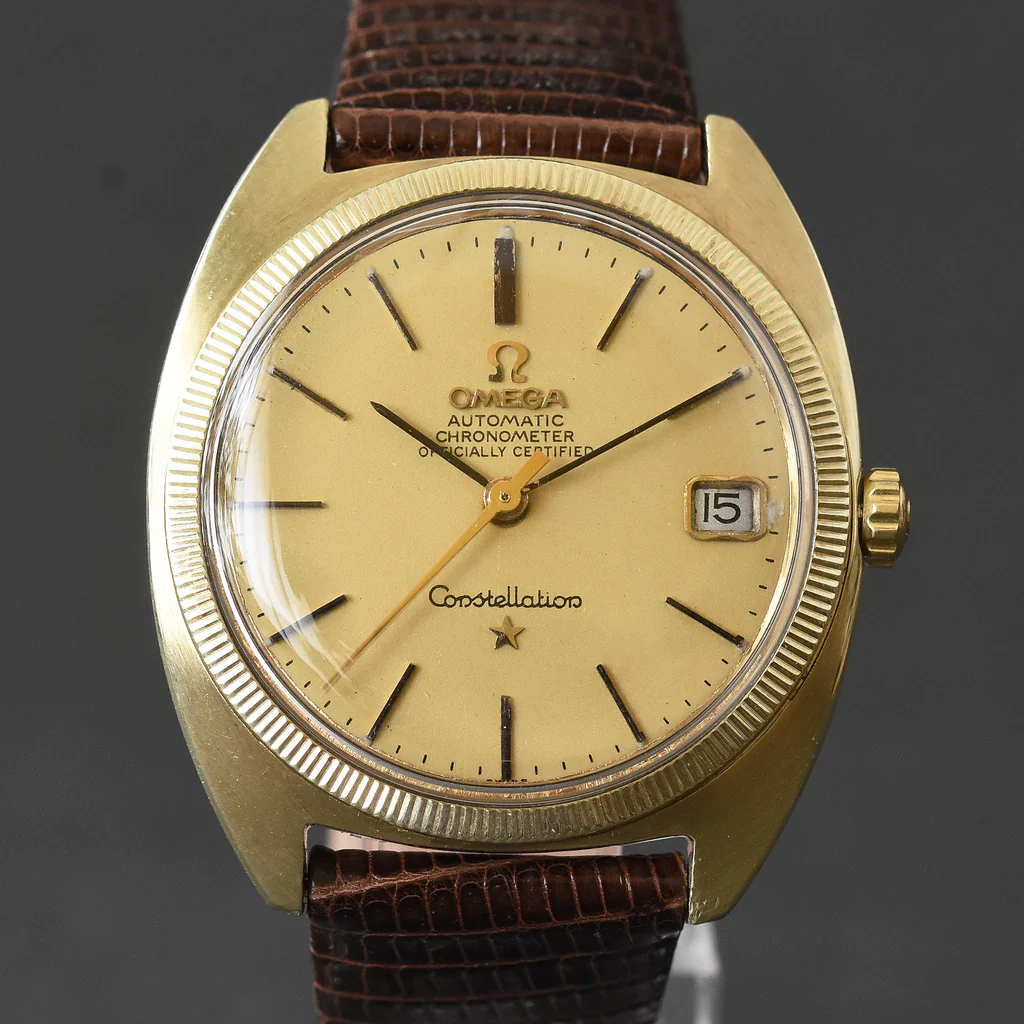
- The Omega Speedmaster is the only watch flight-qualified by NASA for all manned space missions — it went to the Moon in 1969.
- TAG Heuer’s Mikrogirder can measure time to 1/2,000th of a second — faster than the blink of an eye.
Unusual & Fun Designs
- Devon Tread 1 uses motor-driven belts to display time — it looks like a tiny engine on your wrist.
- Urwerk and MB&F make watches that look more like spaceships than timepieces, with satellite or rotating displays.
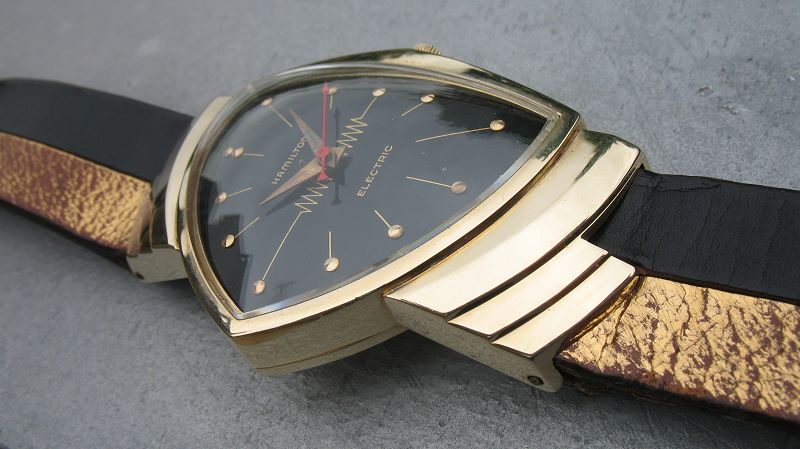
- The Hamilton Ventura (1957) was the first electric (battery-powered) watch — and Elvis Presley wore one!
Cultural & Historical Facts
- In the 18th century, watches were so valuable that they were often passed down for generations as family heirlooms.
- During WWI, soldiers called wristwatches “trench watches.” These early models often had wire lugs soldered onto pocket watches.
- The term “chronometer” means a watch has passed very strict accuracy tests, usually by COSC in Switzerland.
Just for Fun
- The longest continuous running mechanical watch company is Vacheron Constantin — founded in 1755.
- Some dive watches have helium escape valves so the crystal doesn’t pop off during deep-sea saturation diving.
- Luxury watch waitlists can last years — the Rolex Daytona or Patek Nautilus can be harder to buy than some cars.
- In Japan, there are watch cafés where people meet just to share and discuss their collections.