
History of Breitling Watches
1884 – The Beginning
Breitling was founded by Léon Breitling in Saint-Imier, Switzerland. His small workshop specialized in precision chronographs and other timekeeping instruments for sports, industry, and science — an early focus on functional timekeeping that would define the brand.
1914–1920s – Early Chronographs
Léon’s son, Gaston Breitling, took over in 1914 and introduced one of the first wrist chronographs in 1915, with a separate pusher to control the chronograph functions. This was revolutionary at the time, as most chronographs used the crown for start/stop/reset.
1930s–1940s – Growth and Aviation Roots
Under Willy Breitling (Léon’s grandson), the company became an official supplier to military and civilian aviation.
1940s: The brand became widely used in cockpits, producing onboard chronographs for aircraft and cementing its reputation as “the pilot’s watchmaker.”
1934: Breitling patented the two-pusher chronograph, a layout that became the industry standard and is still used today.
1950s – The Navitimer Era
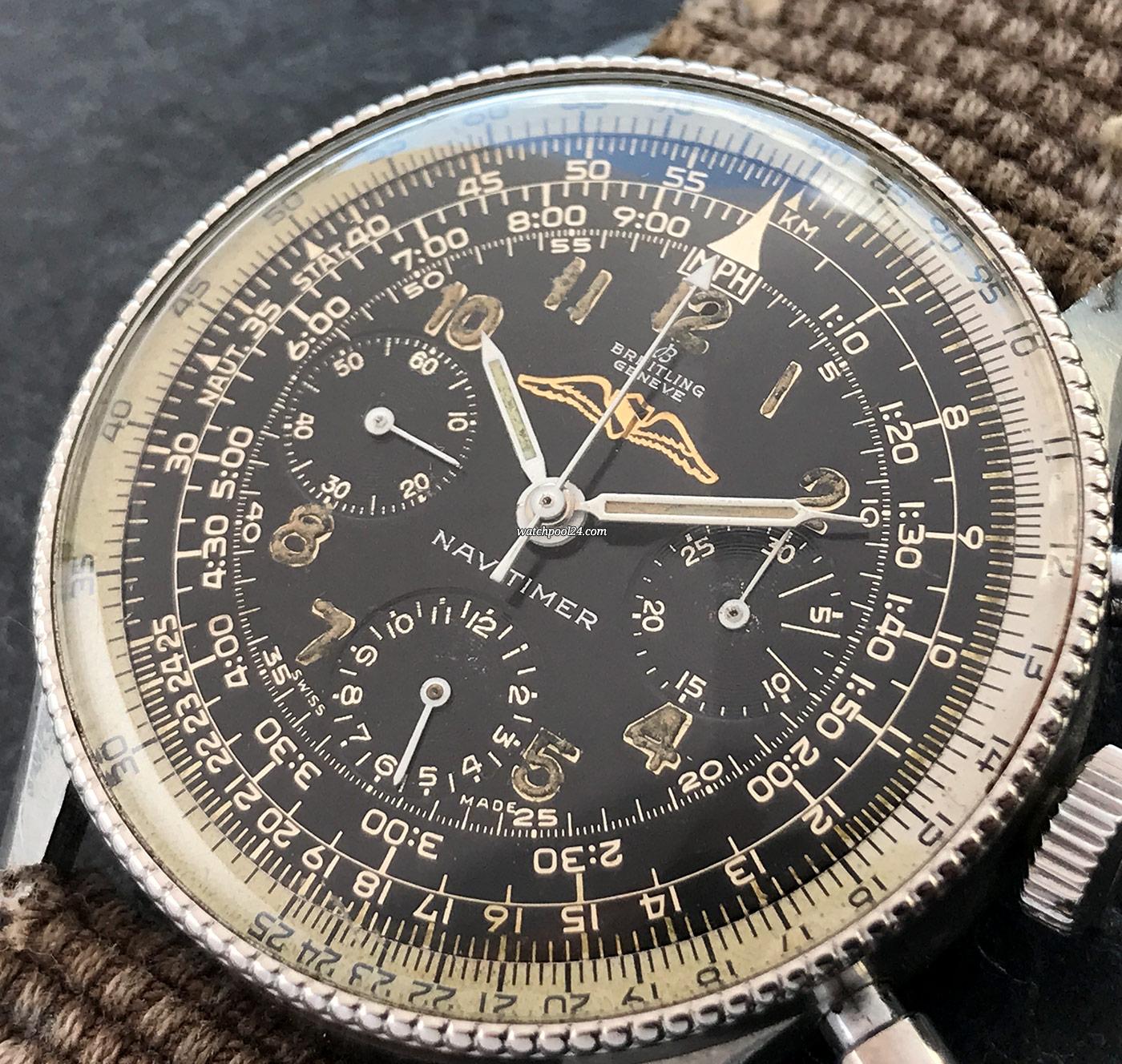
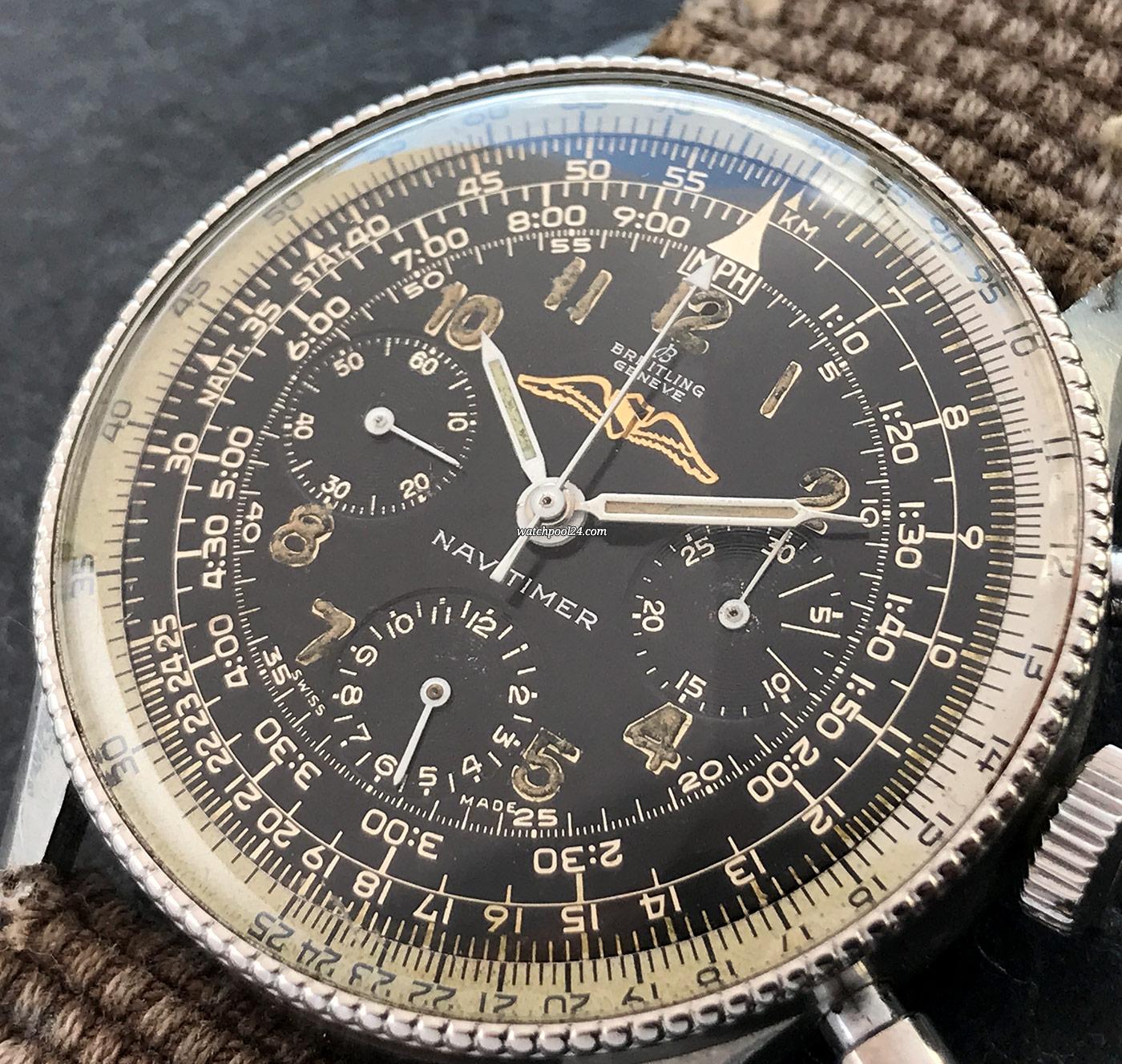
In 1952, Breitling introduced its most famous watch, the Navitimer, with a slide rule bezel that allowed pilots to calculate fuel consumption, airspeed, and distance — a true flight computer on the wrist. It became the preferred watch of the Aircraft Owners and Pilots Association (AOPA).
1960s – Space and Innovation
- 1962: Astronaut Scott Carpenter wore a modified Navitimer, called the Cosmonaute, during his Mercury-Atlas 7 spaceflight.
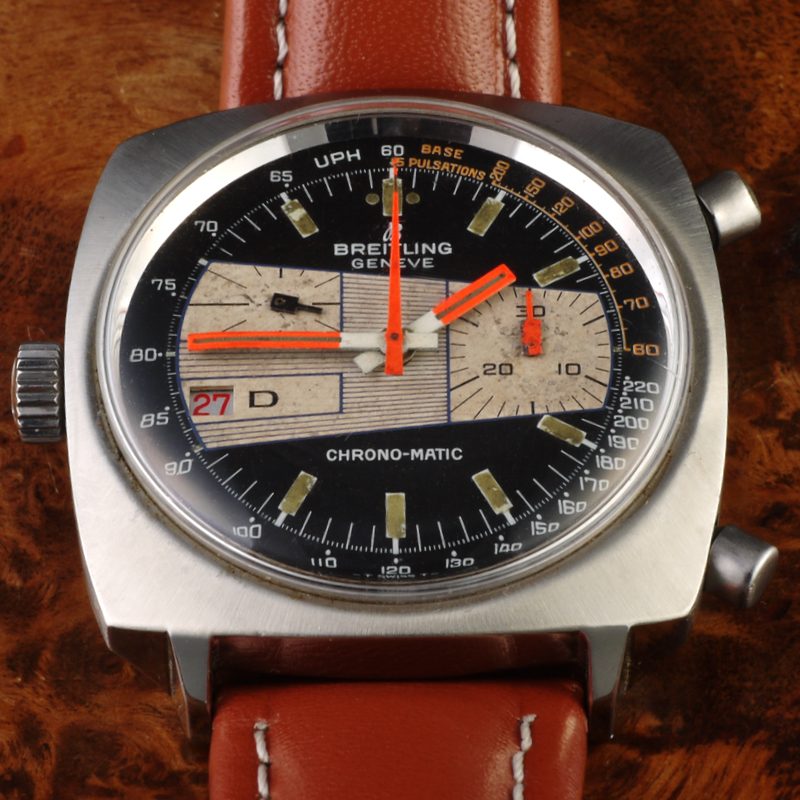
- 1969: Breitling co-developed the Caliber 11, one of the first automatic chronograph movements, in collaboration with Heuer, Hamilton-Buren, and Dubois-Depraz.
1970s–1980s – Quartz Crisis and Revival
Like many Swiss watchmakers, Breitling struggled during the Quartz Crisis.
- 1979: Ernest Schneider, a pilot and watchmaker, purchased the company. He modernized the brand, focusing again on professional tool watches for aviation and diving.
1990s–2000s – Expansion and Prestige
Breitling strengthened its identity as a maker of rugged, professional-grade chronometers:
2010s–Present – In-House Movements and Modern Luxury
- 2009: Introduced the Caliber B01, Breitling’s first fully in-house chronograph movement.
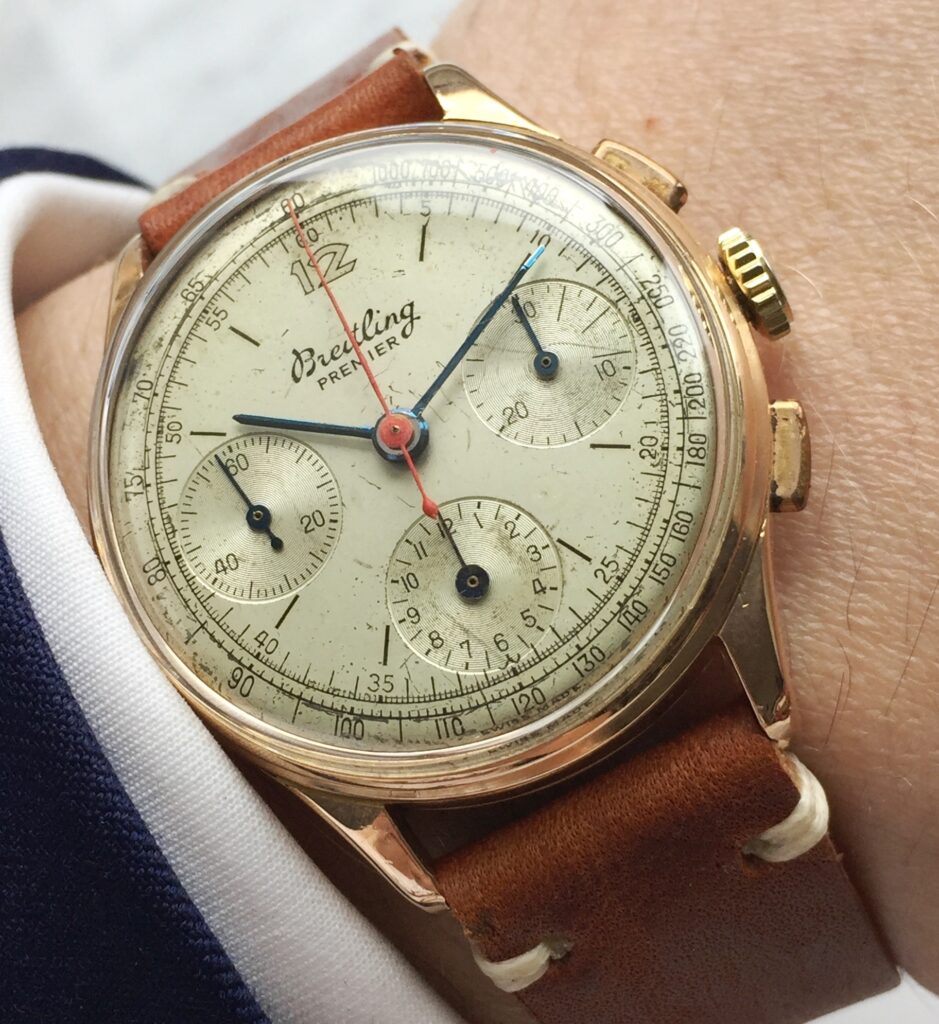
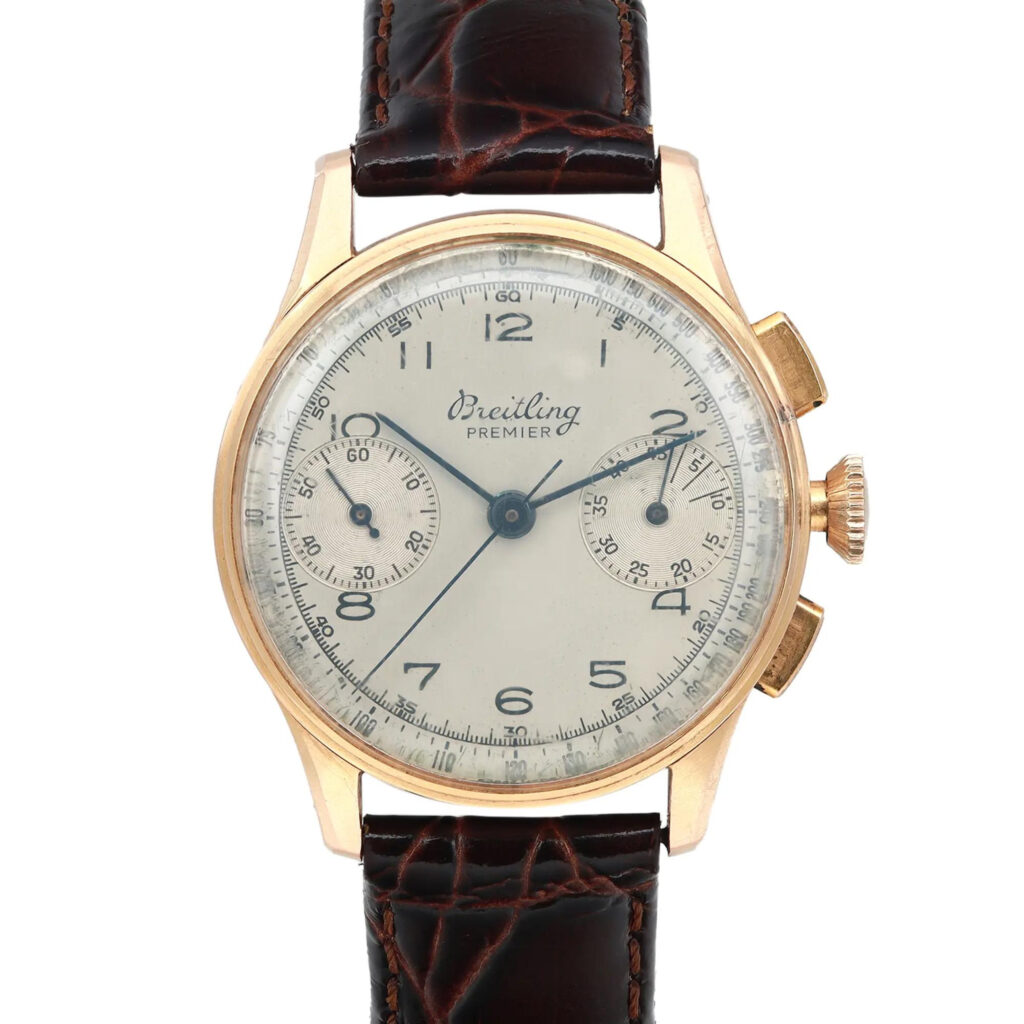
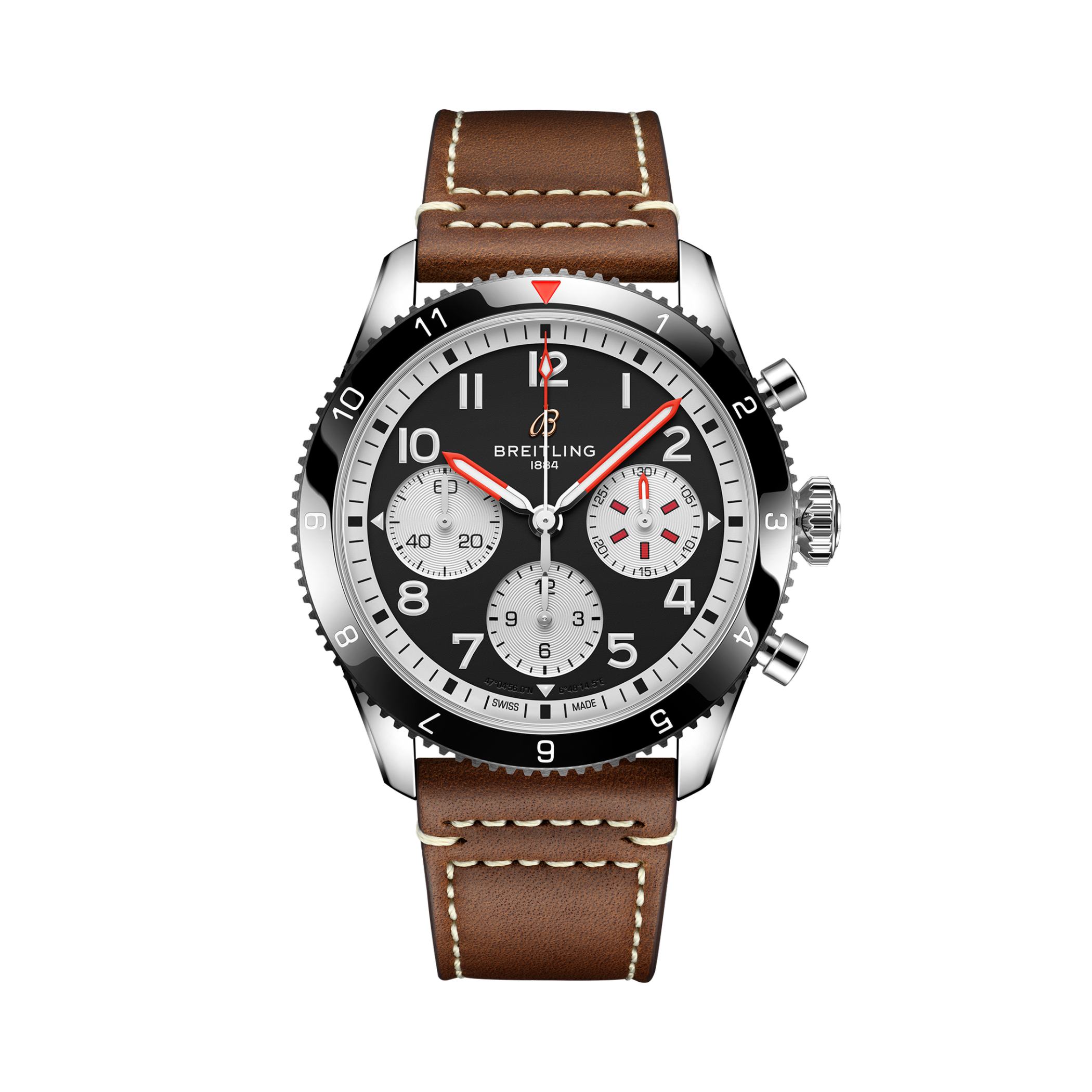
- Began revisiting vintage-inspired designs like the Navitimer 8 and Premier collections.
- Under current CEO Georges Kern (since 2017), Breitling shifted toward a more refined, versatile look, appealing beyond pilots — including heritage reissues and casual-elegant pieces.
Breitling Watch Price Guide (2025)
Entry-Level Breitling
- Models: Endurance Pro (quartz), Colt (discontinued but common pre-owned), some Avenger and Aerospace models
- Price Range: $3,000 – $4,500 (new)
- Notes: These are sporty, durable watches — quartz or entry-level automatic — good gateway into the brand.
Mid-Range Breitling
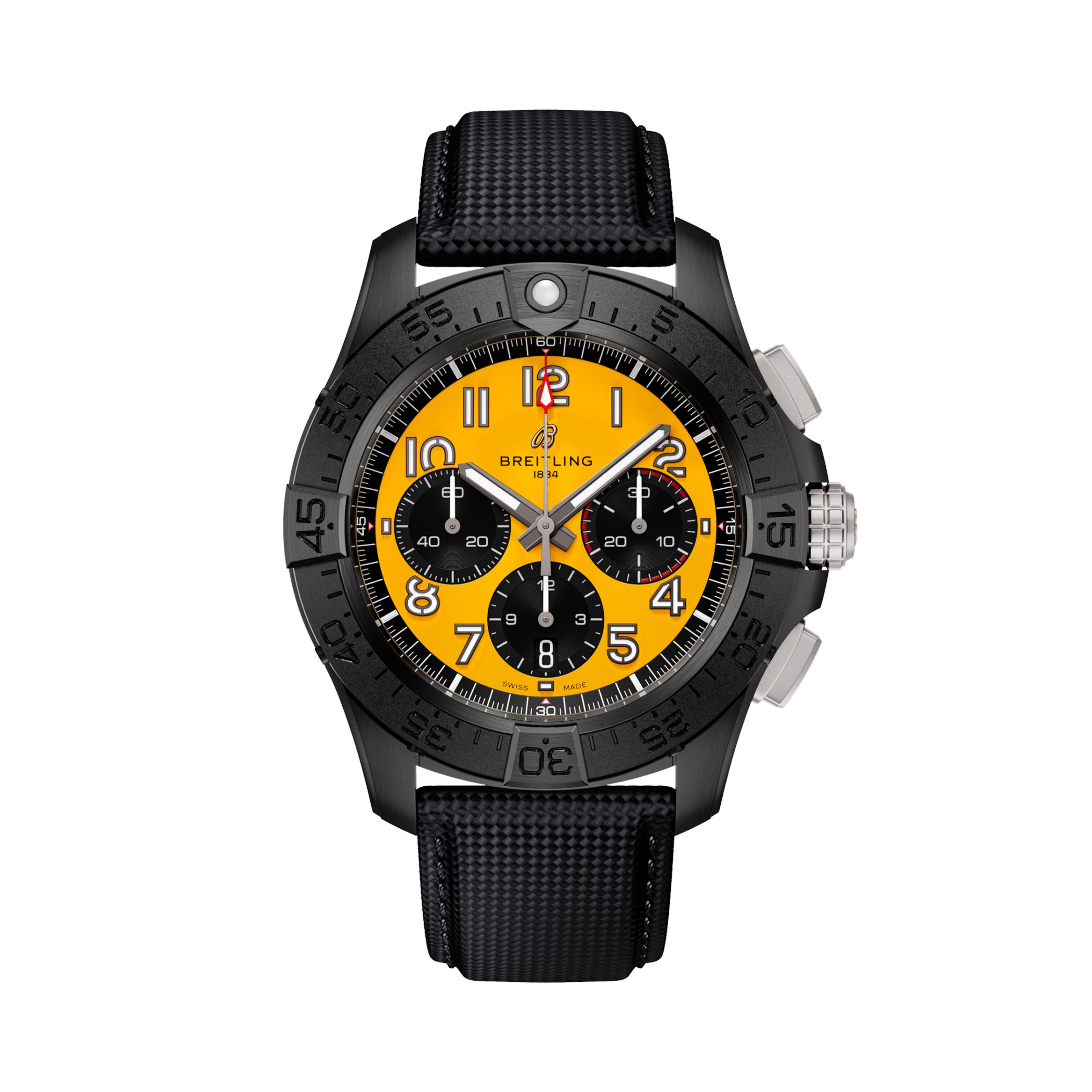
- Models: Superocean, Avenger, Chronomat 42 (with B01 movement)
- Price Range: $5,000 – $9,000
- Notes: This is Breitling’s core range — mechanical chronographs, professional divers, and daily wear pilots’ watches.
Flagship / High-End Breitling
- Models: Navitimer B01 Chronograph, Premier B25 Datora, Super Chronomat 44, Top Time (limited editions)
- Price Range: $9,000 – $15,000+
- Notes: In-house chronograph movements (B01), premium finishing, gold or two-tone cases, and special dials.
Limited Editions & Precious Metal Models
- Models: Navitimer in 18k gold, Premier Tourbillon
- Price Range: $18,000 – $60,000+
- Notes: Collectible, often numbered editions with complications (like tourbillons) and solid gold cases.
Vintage Breitling Prices
- Classic Navitimer (1960s–70s): $4,000 – $15,000 (depending on condition and reference)
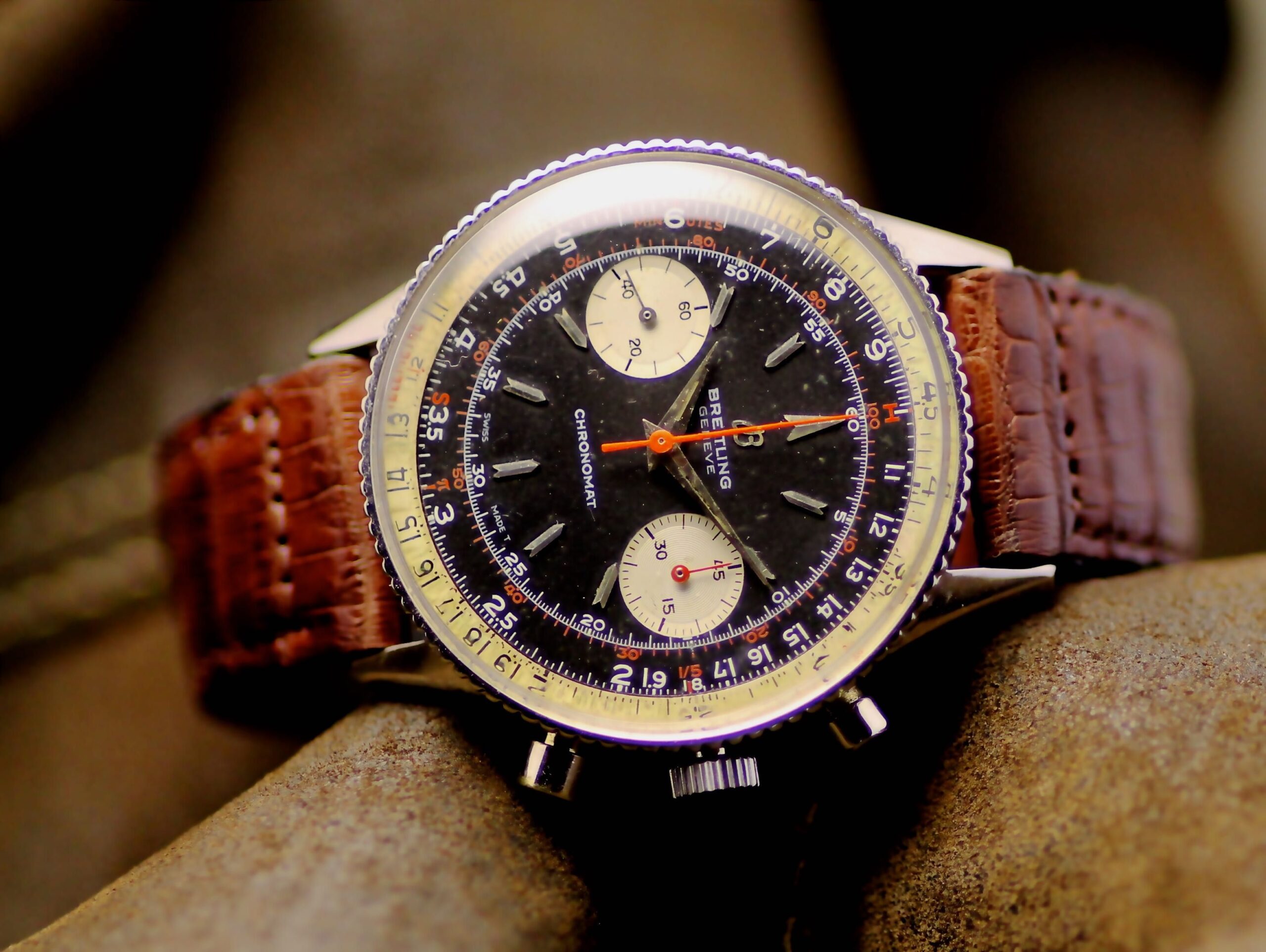
- Vintage Chronomat / Top Time: $3,500 – $12,000
- Rare References (Cosmonaute worn by Scott Carpenter, special prototypes): Can exceed $20,000+

Breitling has been one of the most innovative Swiss watchmakers — especially in the fields of chronographs, aviation instruments, and professional tool watches.