
European watchmakers outside Switzerland have played a vital role in shaping horology, blending history, craftsmanship, and design. Germany, especially Glashütte, is renowned for precision brands like A. Lange & Söhne, Glashütte Original, and Nomos, while France gave birth to icons such as Breguet, LIP, and modern independents like Baltic. The United Kingdom boasts a legacy of great horologists and today features makers like Bremont, Roger W. Smith, and Christopher Ward. Italy contributes bold design with Panerai, Bulgari, and niche ateliers, while Russia became known for rugged tool watches like Vostok and Raketa. Smaller but influential makers also exist in the Netherlands, Spain, Austria, and Scandinavia. Together, these European watchmakers showcase a diverse heritage of innovation, artistry, and national character beyond Switzerland’s dominance.
🇫🇷 France
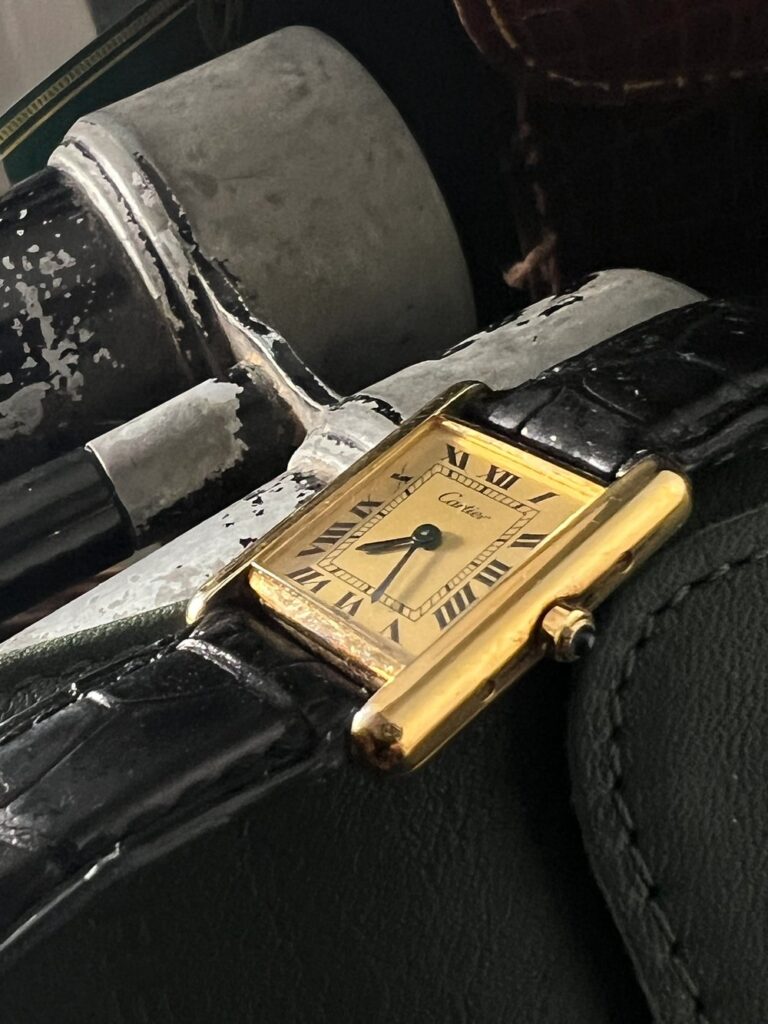
- Cartier (1847, Paris) – French maison, pioneer of wristwatches (Santos, Tank), now Richemont-owned; Swiss production.
- Breguet (1775, Paris) – Founded by Abraham-Louis Breguet, one of horology’s great innovators (tourbillon); now based in Switzerland but historically French.
- LIP (1867, Besançon) – Historic French watchmaker; famous for mid-century designs and technical innovation.
- Yema (1948, Besançon) – Tool watches (Superman dive watch, space-tested models).
- Pequignet (1973, Morteau) – Independent luxury brand with in-house movements.
- Michel Herbelin (1947, Charquemont) – Elegant French brand, affordable to mid-range.
- Baltic (2017, Paris) – Modern microbrand with vintage-inspired mechanical watches.
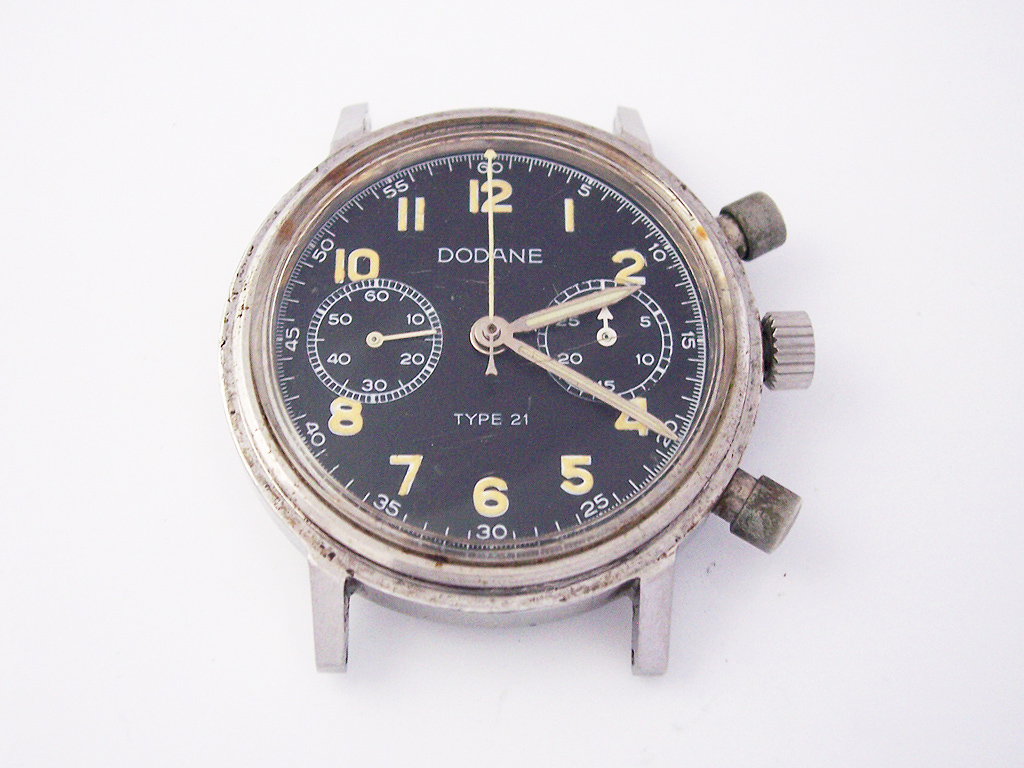
- Dodane (1857, Besançon) – Military pilot chronographs, French Air Force supplier.
🇩🇪 Germany
Glashütte (Saxony – Germany’s watchmaking hub):
- A. Lange & Söhne (1845) – Ultra high-end, among the finest watchmakers globally.
- Glashütte Original (1990, roots 1845) – Luxury manufacture, descended from GUB.
- Nomos Glashütte (1990) – Bauhaus-inspired design with in-house movements.
- Tutima (1927) – Pilot and military watches.
- Moritz Grossmann (2008 revival) – Haute horlogerie with hand-finished movements.
- Mühle Glashütte (1869/1994 revival) – Marine chronometers and tool watches.
Elsewhere in Germany:
- Junghans (1861, Schramberg) – Known for Max Bill Bauhaus designs.
- Sinn (1961, Frankfurt) – Specialist in rugged aviation and diving watches.
- Damasko (1994, Regensburg) – Known for hardened steel cases and tool designs.
- Stowa (1927, Pforzheim) – Famous for Flieger pilot watches.
- Archimede (2003, Pforzheim) – Classic German designs, Ickler-made cases.
🇬🇧 United Kingdom
- Roger W. Smith (Isle of Man, 2001) – Handcrafts extremely limited masterpieces, George Daniels’ protégé.
- Bremont (2002, Henley-on-Thames) – Aviation-inspired, growing UK manufacturing capacity.
- Christopher Ward (2004, Maidenhead) – Affordable Swiss-made mechanicals with British design.
- Fears (1846, revived 2016, Bristol) – Historic British family brand.
- Garrick (2014, Norfolk) – Independent British watchmaker with in-house touches.
- Dent (1840, London) – Historic, known for the Great Clock of Westminster (Big Ben).
🇮🇹 Italy
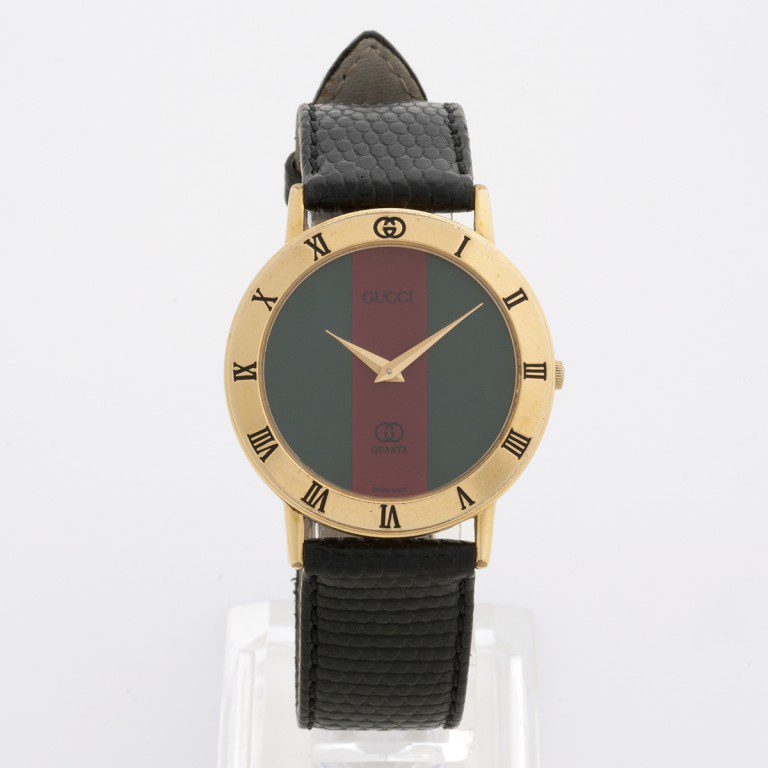
- Gucci Timepieces (Florence, est. 1970s) – Fashion/luxury watches; designed in Italy, Swiss-made; part of Kering Group.
- Panerai (1860, Florence) – Naval/military-inspired watches; now Swiss-based under Richemont.
- Bulgari (1884, Rome) – Jewelry and luxury maison; now a serious horological player (Octo Finissimo, Serpenti).
- Anonimo (1997, Florence) – Founded by ex-Panerai staff; tool-style divers.
- Locman (1986, Elba Island) – Lightweight modern watches, carbon/titanium focus.
- U-Boat (2000, Tuscany) – Oversized military-inspired designs.
- Ennebi (2004, Florence) – Niche tool/military watches.
🇷🇺 Russia (and former USSR)
- Poljot (1930, Moscow) – Chronographs, historic space watches.
- Vostok (1942, Chistopol) – Amphibia and Komandirskie tool watches.
- Raketa (1961, St. Petersburg) – Manufacture specializing in robust, 24-hour movements.
- Sturmanskie (1940s) – Yuri Gagarin’s watch in space (1961).
- Slava (1924, Moscow) – Soviet-era brand, revived.
🇳🇱 Netherlands
- Grönefeld (2008, Oldenzaal) – The “Horological Brothers,” haute horlogerie.
- Christiaan van der Klaauw (1974) – Astronomical complication specialist.
- Van der Gang (2002, Dokkum) – High-end independent Dutch brand.
🇪🇸 Spain
- Festina (1902, Swiss origin, HQ Barcelona) – Affordable watches; owns Perrelet, Jaguar, Lotus.
- Lotus (1980, Spain) – Popular mid-range Spanish brand.
- Radiant (1956, Barcelona) – Fashion/mid-range watches.
🇸🇪 Sweden
- Halda (1887 / revived 2009) – Swedish brand, space-grade modular watches.
- Triwa (2007, Stockholm) – Fashion-focused watches, Scandinavian design.
- Sjöö Sandström (1986, Stockholm) – Independent luxury brand; supplies Swedish Air Force.
🇩🇰 Denmark
- Linde Werdelin (2002) – Sport-luxury tool watches, often with detachable modules.
- Ole Mathiesen (1919, Copenhagen) – Classic Danish elegance.
🇳🇴 Norway
- Bruvik (2009) – Nature-inspired Norwegian luxury brand.
- Von Doren (2016, Aalesund) – Boutique watch brand, vintage-inspired.
🇦🇹 Austria
Habring² (2004, Carinthia) – Independent atelier by Richard & Maria Habring, known for innovative complications (split-seconds, jumping seconds).complications (split-seconds, jumping seconds).
Excluding Switzerland, Europe still has dozens of important watchmakers:
- France: Cartier, Breguet (origins), LIP, Yema, Pequignet.
- Germany: Glashütte (Lange, Nomos, GO) + tool brands like Sinn, Damasko.
- UK: Bremont, Roger W. Smith, Christopher Ward, Fears.
- Italy: Panerai, Bulgari, Gucci, U-Boat, Anonimo.
- Russia: Poljot, Vostok, Raketa, Sturmanskie.
- Others: Grönefeld (NL), Festina (Spain), Habring² (Austria), Linde Werdelin (Denmark), Sjöö Sandström (Sweden).
Cartier (France) and Gucci (Italy) are both true European-origin brands with Swiss manufacturing, making them hybrid players — European design heritage + Swiss horology.
