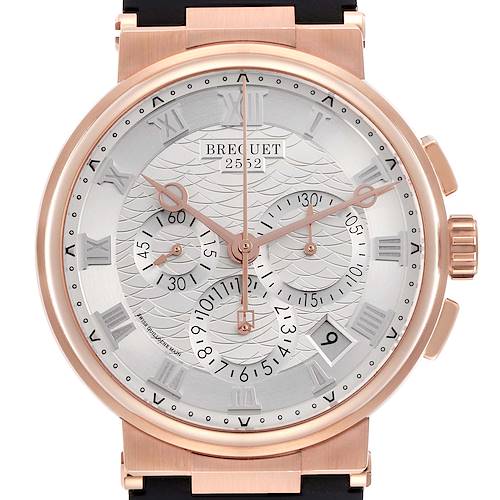
The history of Breguet is one of the most prestigious and influential legacies in watchmaking, tracing back over two centuries
Founding and Early Innovations (1775–1800s)
Abraham-Louis Breguet founded the company in 1775 in Paris, France. He quickly rose to prominence as a brilliant inventor and horologist. Breguet became known for blending elegant design with technical innovation. In 1780, he developed the first self-winding watch, called the perpétuelle. He later invented the tourbillon (patented in 1801), a mechanism designed to counteract gravity’s effects on a watch’s accuracy.
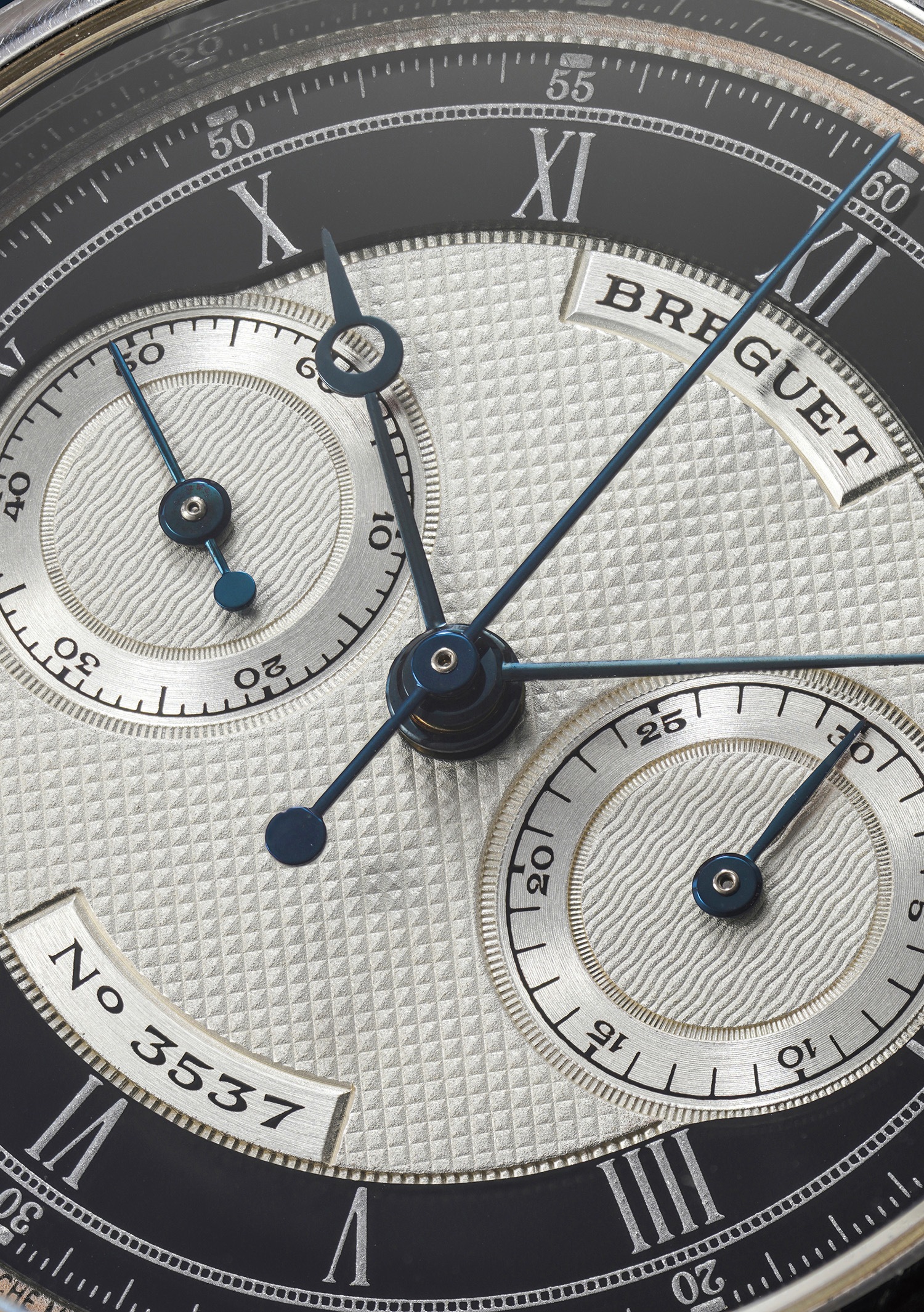
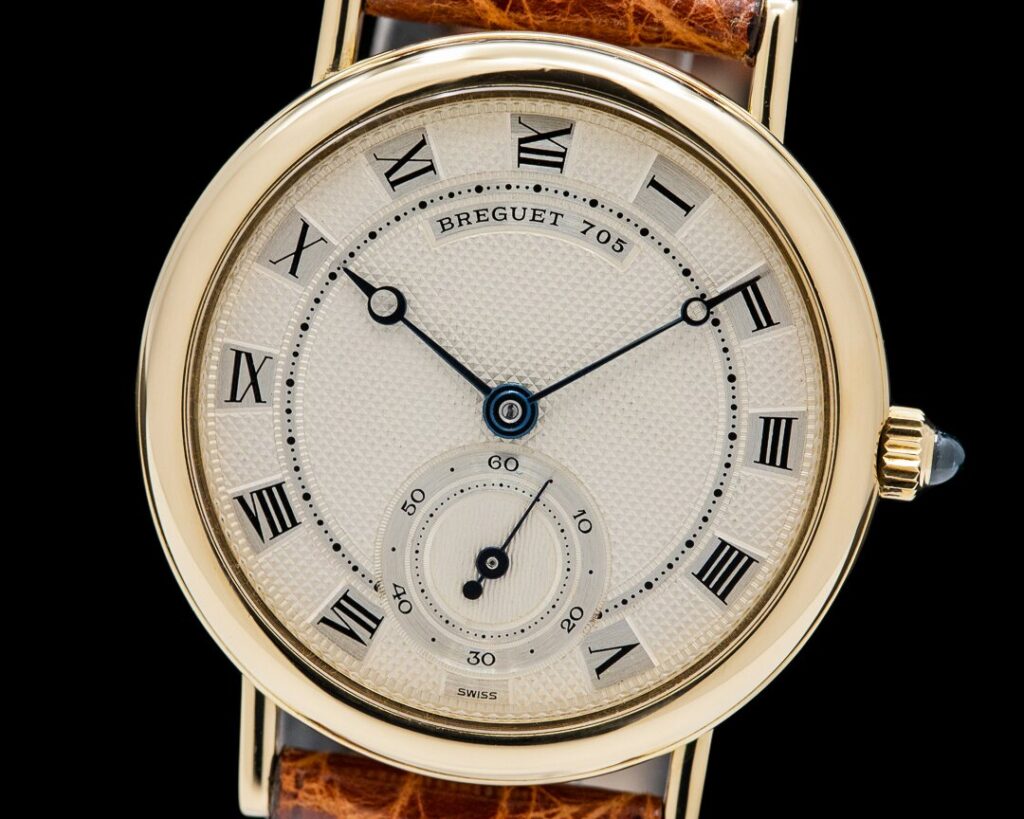
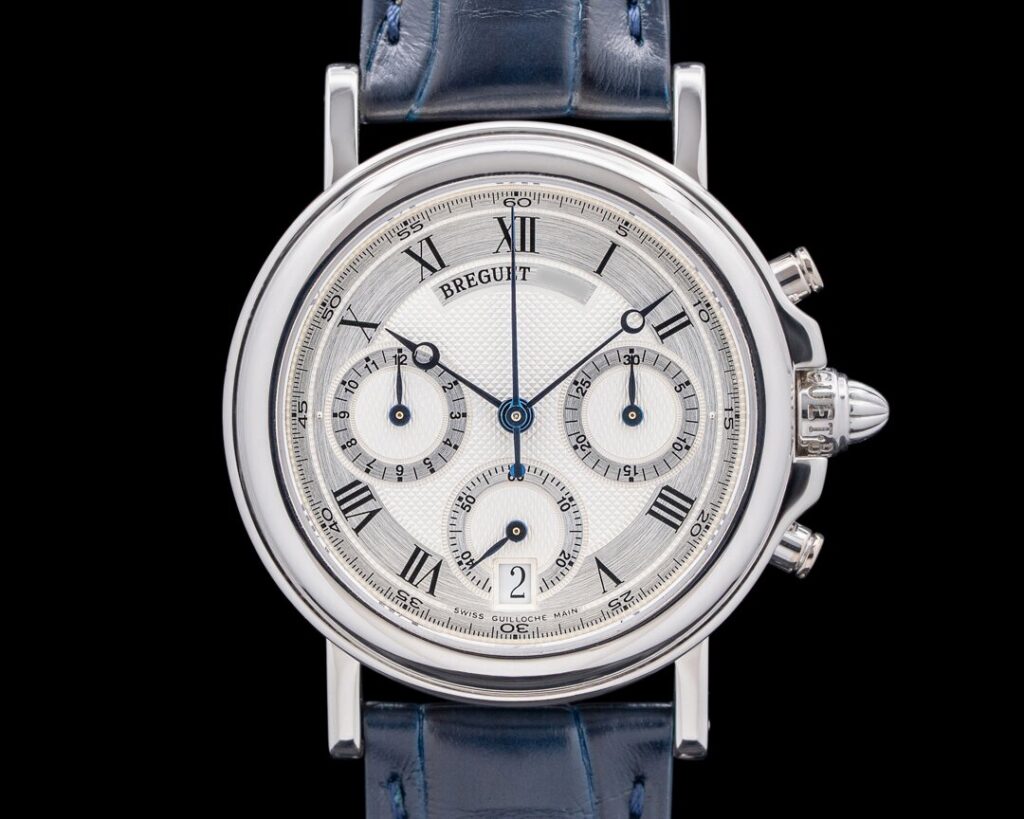
Breguet also created the “Breguet hands” (distinctive open-tipped, pomme-style hands) and “Breguet numerals”, both of which are still used today. His clients included royalty and intellectuals, such as Queen Marie Antoinette, Napoleon Bonaparte, Wellington, and Tsar Alexander I.
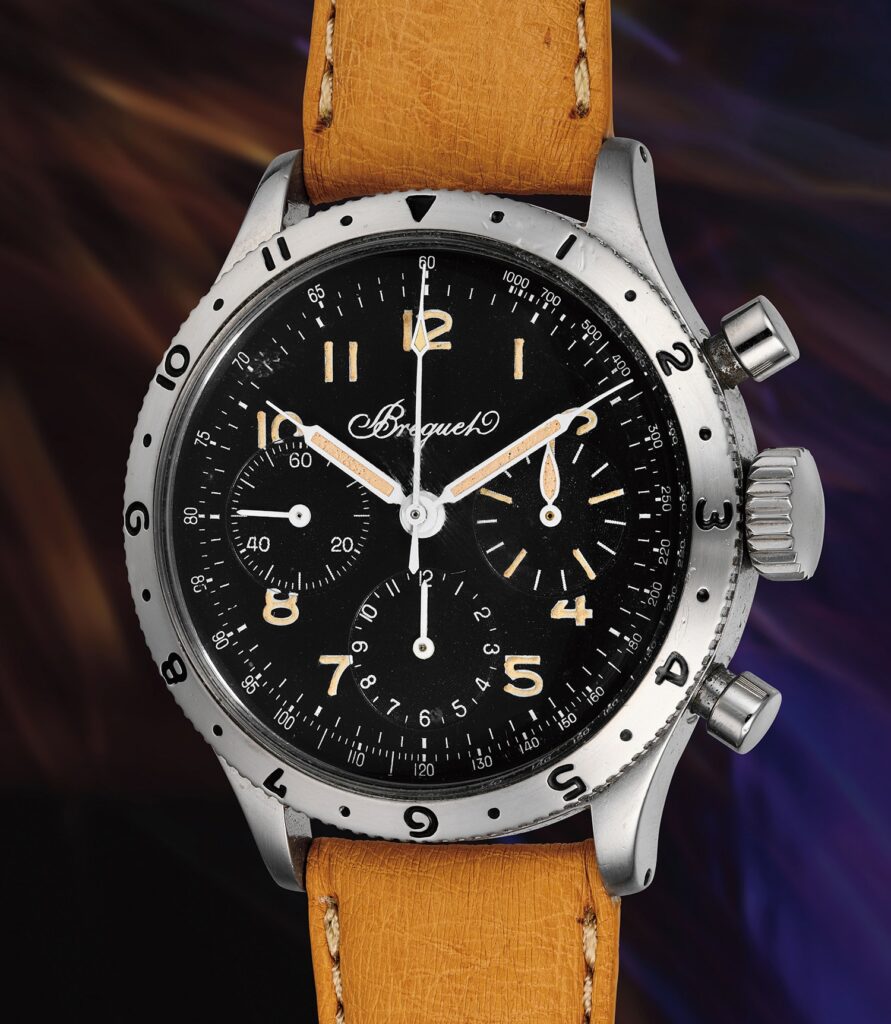
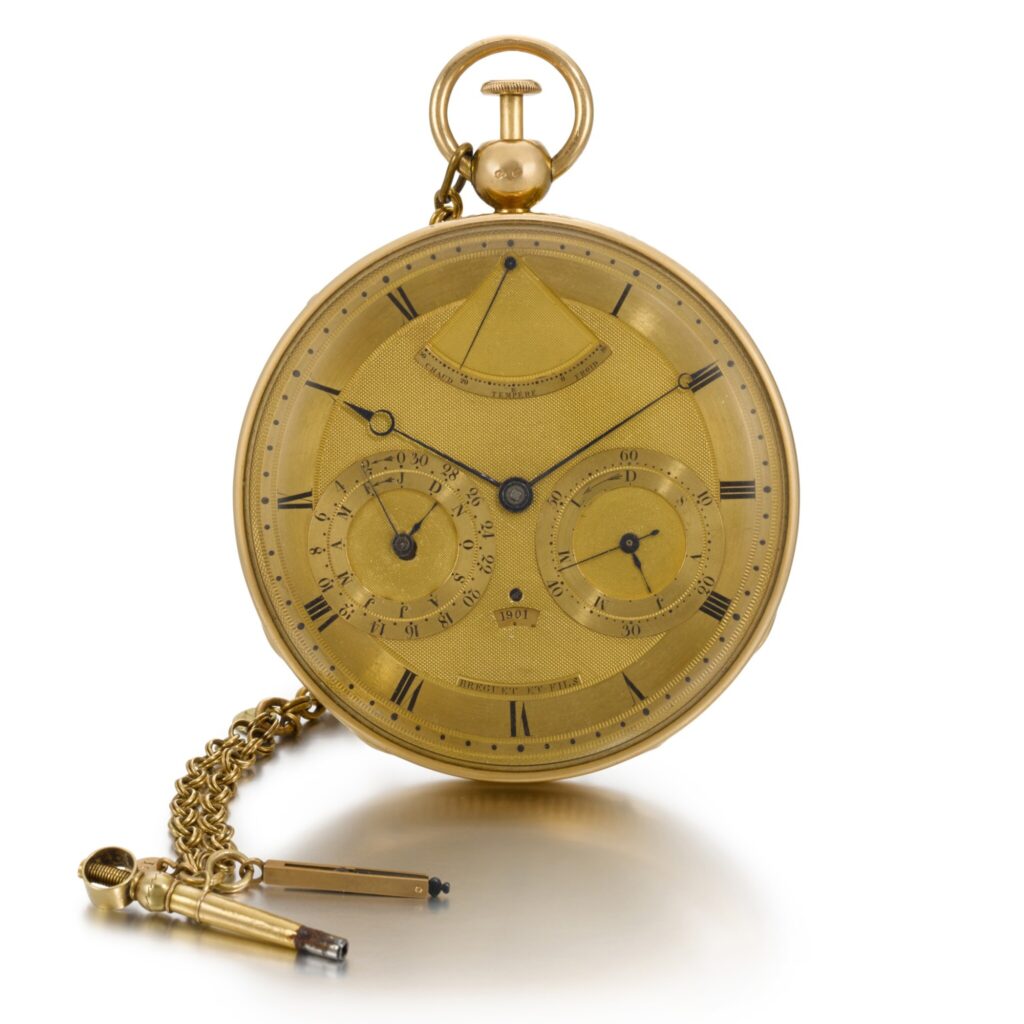
19th Century Legacy
After Abraham-Louis Breguet’s death in 1823, the company was run by his son Antoine-Louis Breguet, and later his grandson. The Breguet firm continued to produce high-quality timepieces and scientific instruments, maintaining strong ties to military and scientific communities. It also developed marine chronometers used by the French Navy.
20th Century to Modern Revival
In the 20th century, Breguet underwent various ownership changes and eventually became part of Chaumet, a French jewelry house. In 1976, production moved to Vallée de Joux, Switzerland, the heart of Swiss watchmaking. In 1999, Breguet was acquired by the Swatch Group, which invested heavily in restoring the brand’s prestige.
1. Perpétuelle – The First Self-Winding Watch (1780)
Breguet developed one of the first self-winding (automatic) watches, which he called the perpétuelle. It used a swinging weight to wind the mainspring—an early precursor to modern automatic movements.
2. Tourbillon (Patented in 1801)
- Clean, rectangular lines and Art Deco style made the Tank an enduring classic.
- Worn by icons such as Jackie Kennedy, Andy Warhol, and Princess Diana.
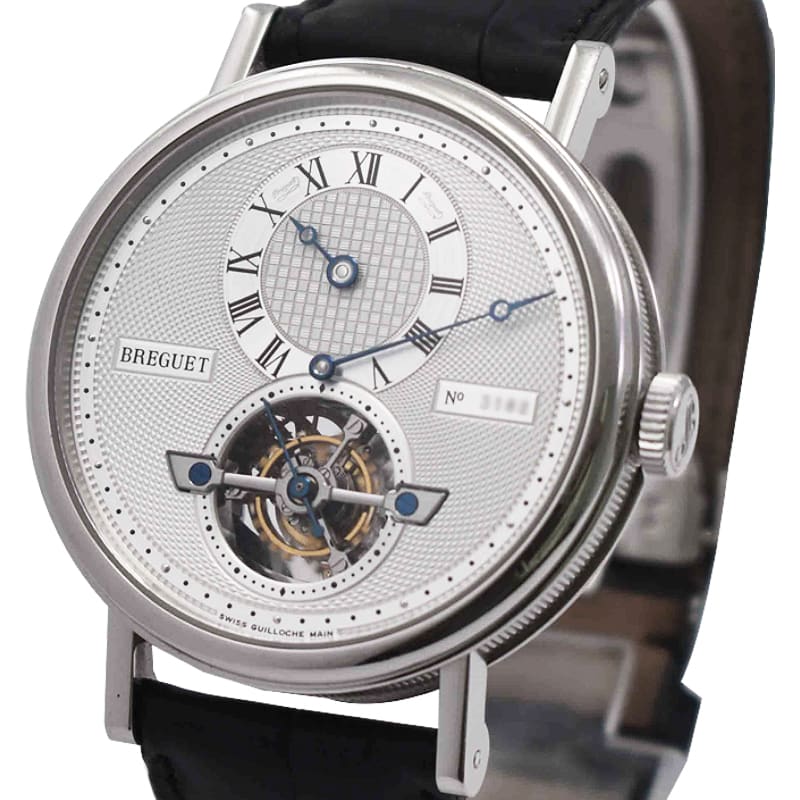
- Perhaps his most famous invention, the tourbillon is a rotating cage for the escapement and balance wheel that averages out positional errors caused by gravity, improving timekeeping accuracy—especially in pocket watches.
- 3. Breguet Balance Spring (1795)
- Breguet improved the balance spring by giving it an overcoil, which helps ensure more consistent oscillation and improves precision. This “Breguet overcoil” is still used in many high-end mechanical watches today.
- 4. Breguet Hands and Breguet Numerals
- He introduced the now-iconic “Breguet hands” (open-tipped, pomme-style) and “Breguet numerals” (elegant Arabic numerals), which are still aesthetic hallmarks of classic watch design.
- 5. Gong Spring for Repeating Watches (1783)
He replaced traditional bells with wire gongs wrapped around the movement, greatly improving the sound and compactness of minute repeater watches. - 6. Subscription Watches (1796)
These were simplified, affordable pocket watches sold on a subscription basis (customers paid part up front and the rest upon delivery). It was a revolutionary concept for making quality watches more accessible.
- 7. Marine Chronometers
- Breguet became official chronometer maker to the French Navy in 1815, producing high-precision marine chronometers critical for navigation. His marine clocks were renowned for their accuracy and durability.
- 8. Constant Force Escapements and Magnetic Innovations (Modern Era)
- Under Swatch Group, Breguet has revived its innovative spirit with advances such as:
- Magnetic pivots for better shock resistance and reliability.
- Silicon escapements and hairsprings (resistant to magnetism and temperature changes).
- Research into constant-force mechanisms to deliver even energy over time.
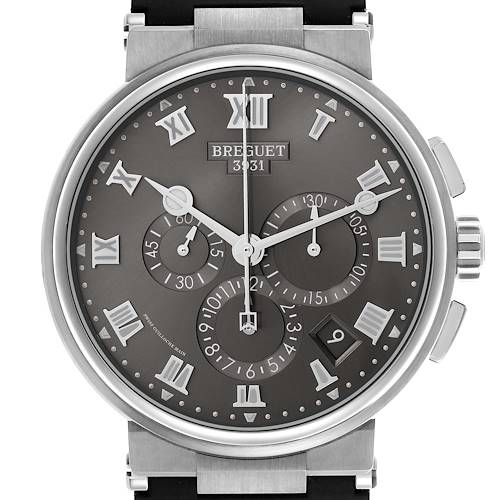
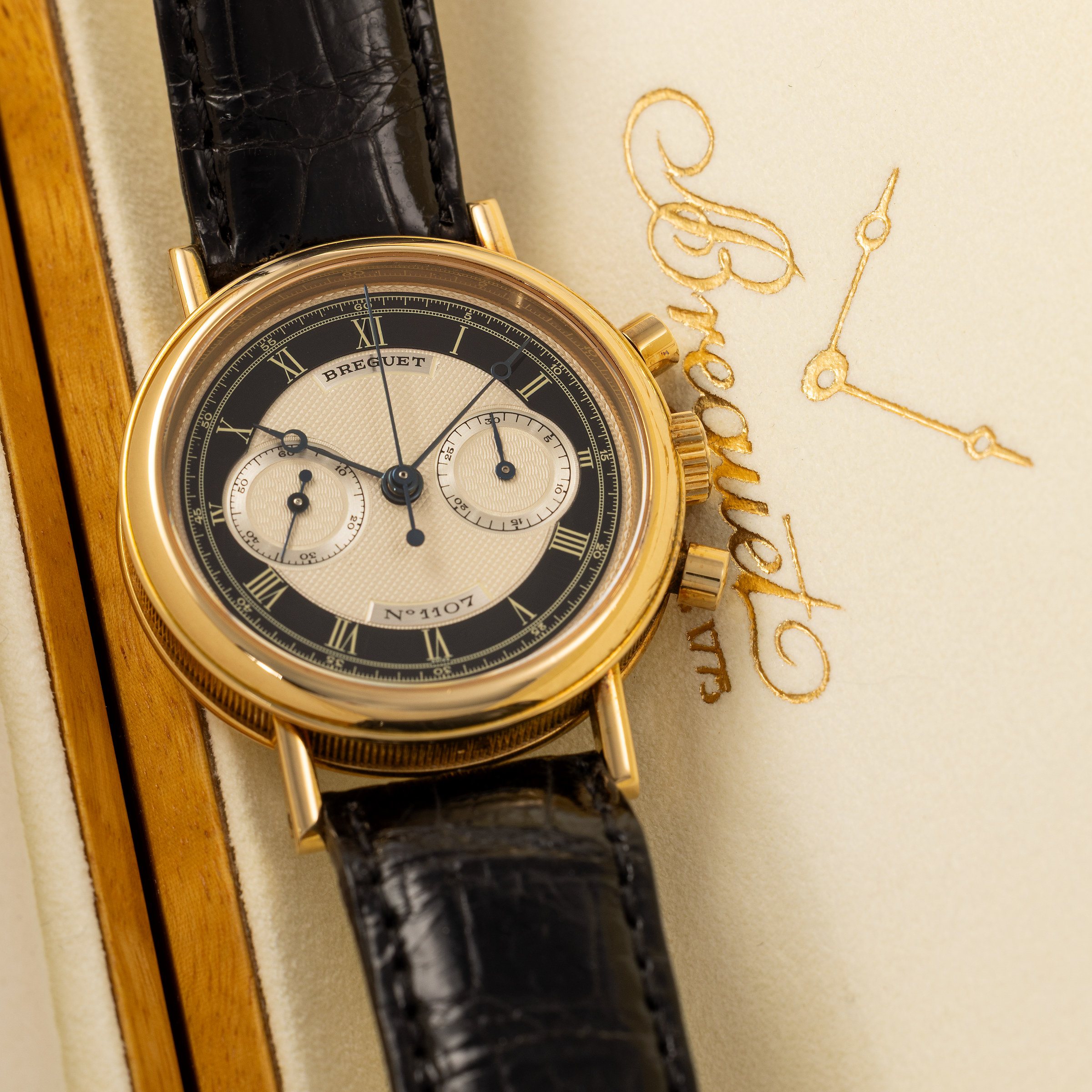
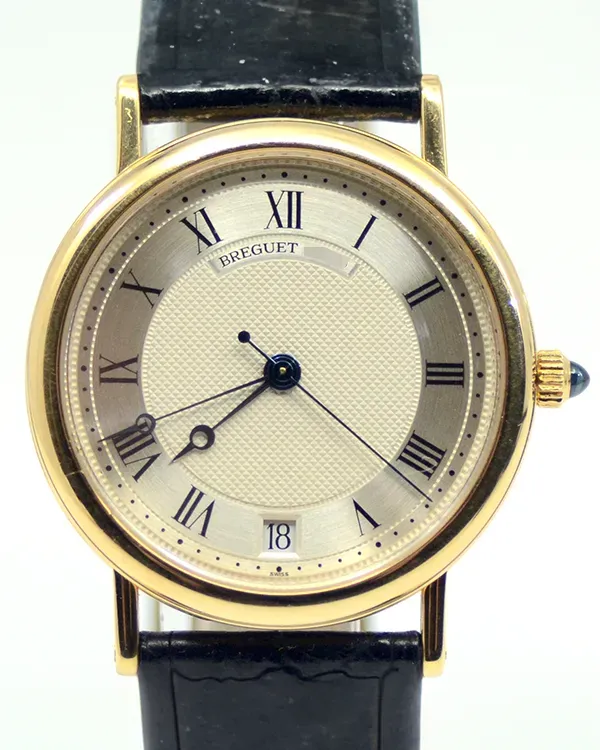
- Modern Day Breguet
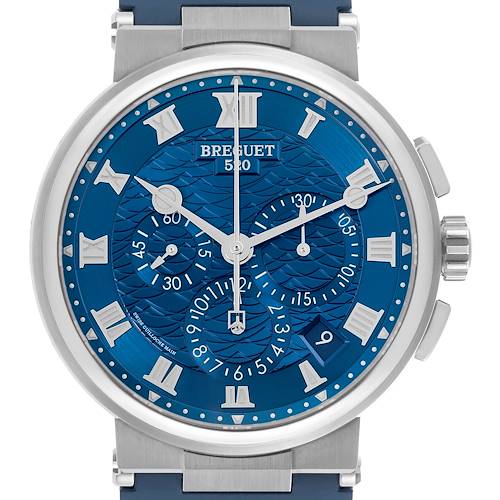
- Today, Breguet is known for combining classical aesthetics with cutting-edge watchmaking technology. Its watches often showcase complications like tourbillons, perpetual calendars, and minute repeaters. Breguet remains one of the most respected names in haute horlogerie, with a legacy of over 250 years of innovation and craftsmanship.

Signature Aesthetic Traits
Breguet watches are instantly recognizable due to these classic design features:
Secret Signature: A faint engraved signature to deter counterfeiting, introduced in 1795.
Breguet Hands: Blue pomme-shaped hands with open tips.
Breguet Numerals: Elegant Arabic numbers in a flowing script.
Engine-Turned Dials (Guilloché): Traditionally hand-engraved dials using rose engine lathes.
Fluted Casebands: Coin-edge finishing on the side of the case.