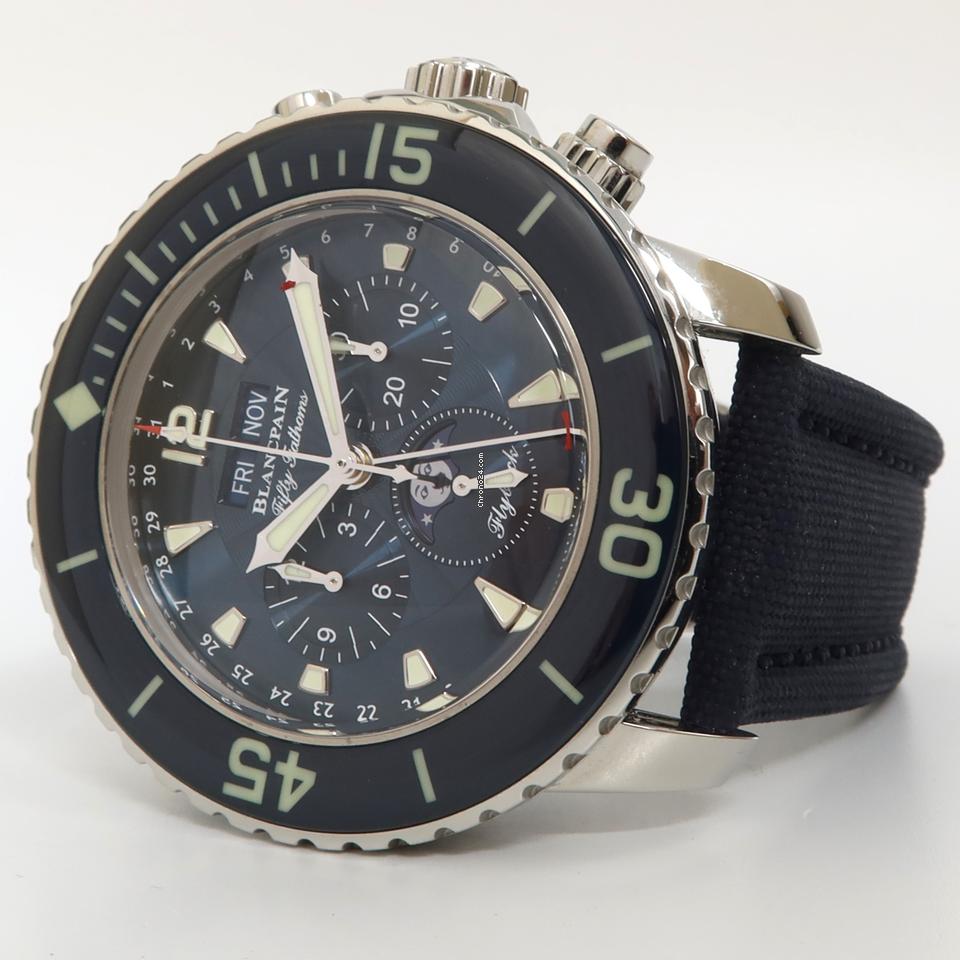
Blancpain is one of the oldest and most prestigious Swiss watchmakers, with origins dating back to 1735.It was founded in the village of Villeret, Switzerland, by Jehan-Jacques Blancpain.The company has built a reputation for producing finely crafted mechanical timepieces and has never made a quartz watch for its main collection—a point of pride in its traditionalist philosophy.
Early History
1735 – Jehan-Jacques Blancpain registers his workshop, making Blancpain the oldest surviving watch brand name.
For more than 200 years, the business stayed in the Blancpain family, passing through multiple generations.
In the 19th century, the company expanded globally, earning a reputation for elegant dress watches and complicated mechanical movements.
20th Century Innovations
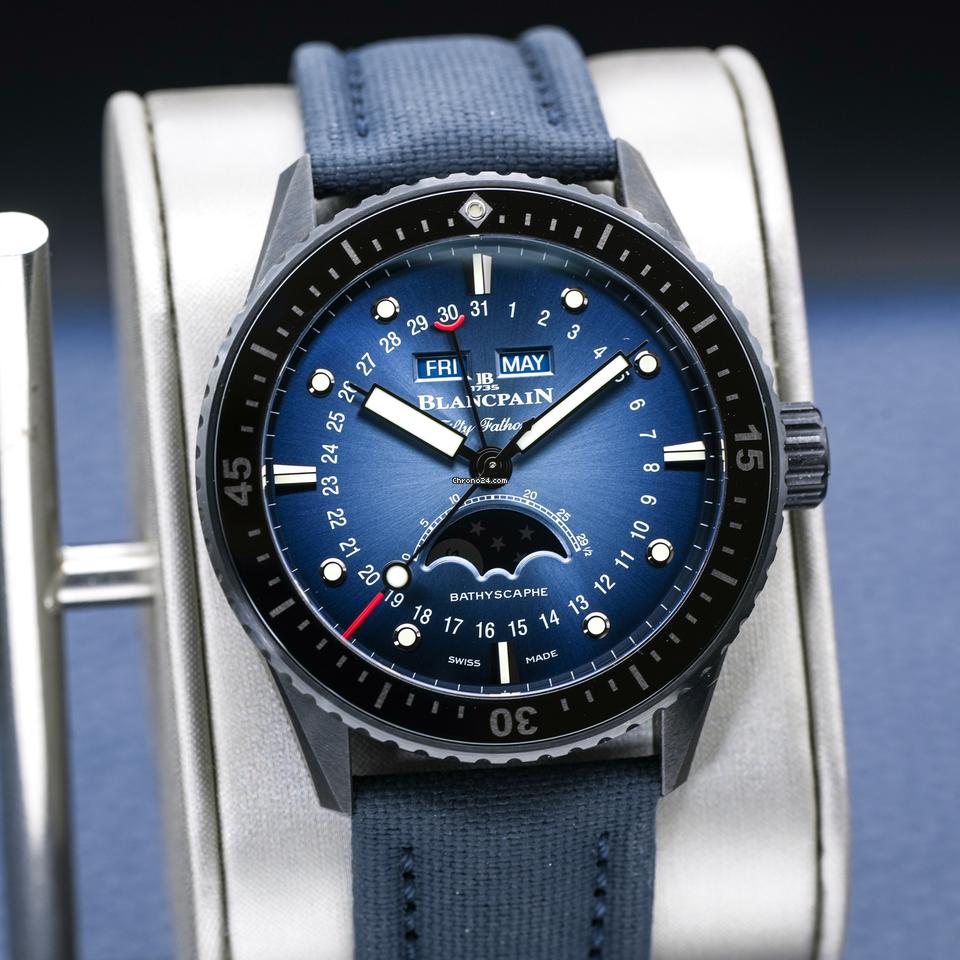
1953 – Launched the Fifty Fathoms, a professional dive watch developed with French Navy combat divers. This became one of the most important dive watch designs in history, rivaling the Rolex Submariner.
1930 – Introduced the first automatic wristwatch for women, the Rolls.
1970s Quartz Crisis – The company was sold and eventually became dormant due to the industry-wide shift toward quartz watches.
1983 – Revived by Jean-Claude Biver and Jacques Piguet, who emphasized Blancpain’s all-mechanical heritage with the slogan: “Since 1735 there has never been a quartz Blancpain watch. And there never will be.”
Mid-Century Modern Era
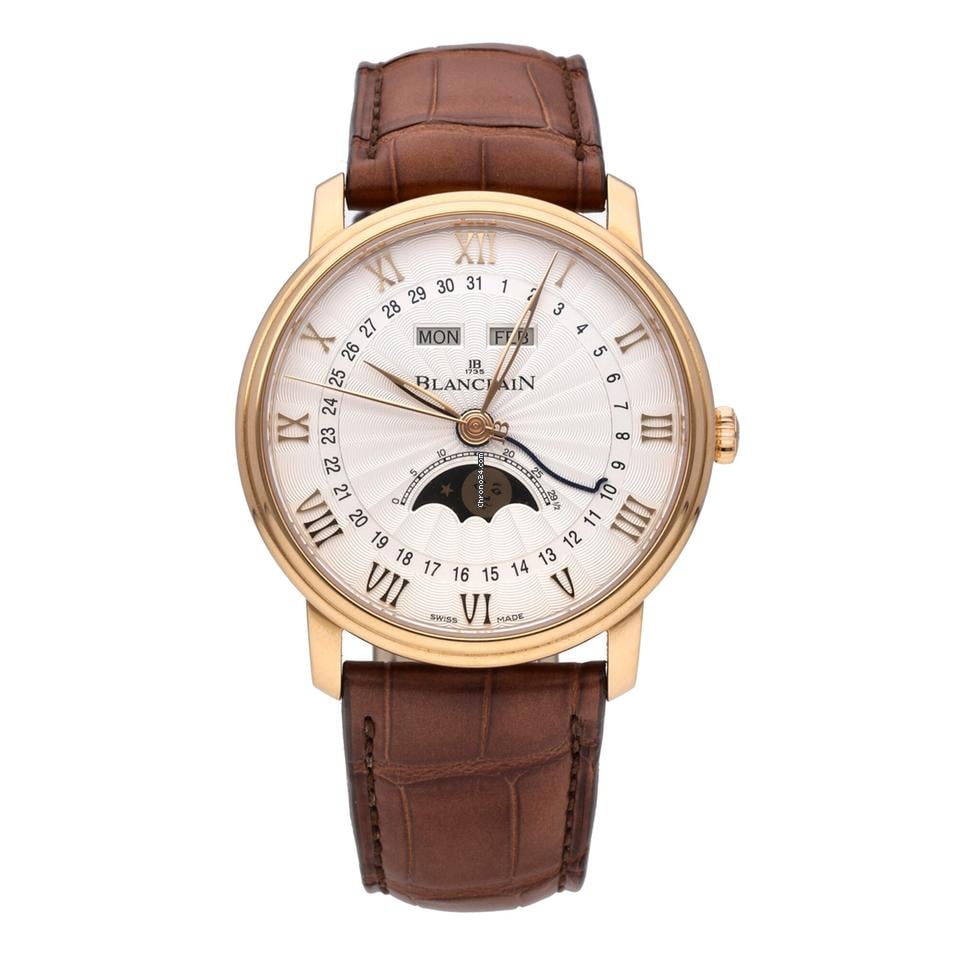
The Villeret Collection showcases classic, elegant designs, while the Fifty Fathoms Collection represents their tool-watch heritage.
1992 – Swatch Group (now The Swatch Group Ltd.) acquired Blancpain, placing it under the high-end segment alongside Breguet and Omega.
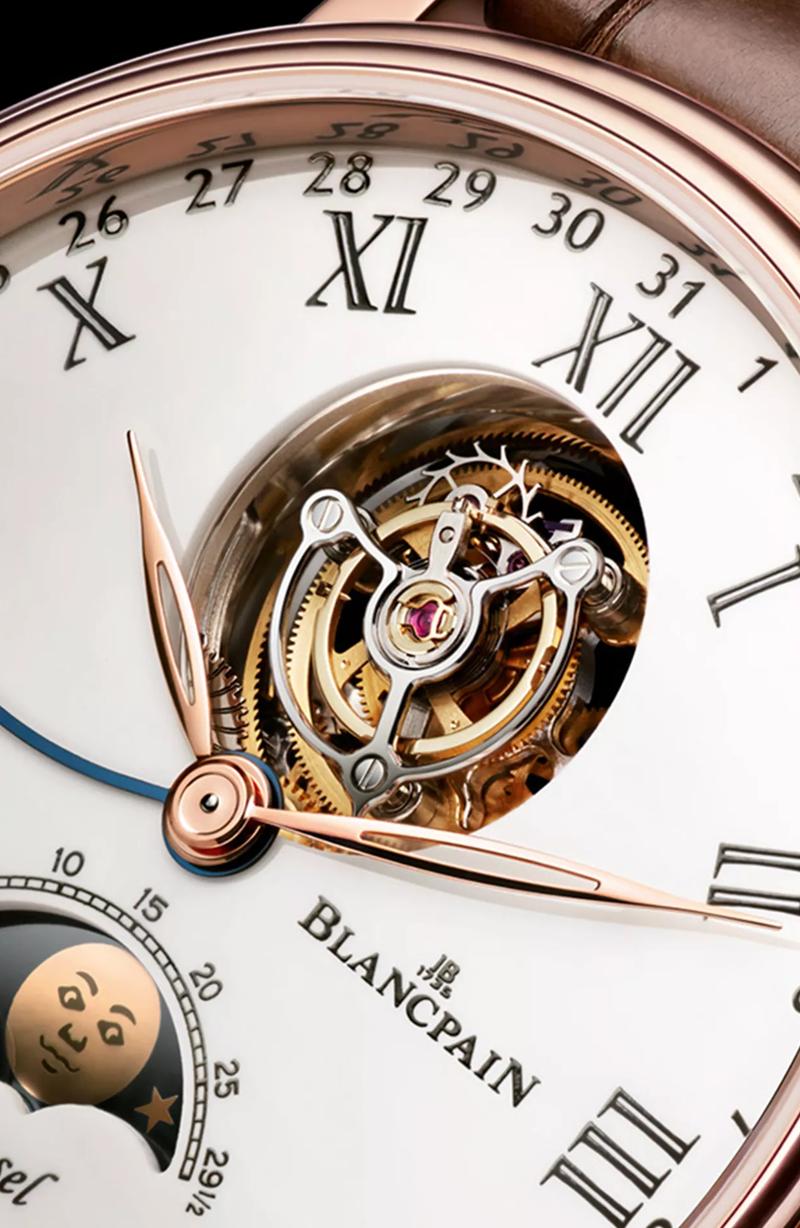
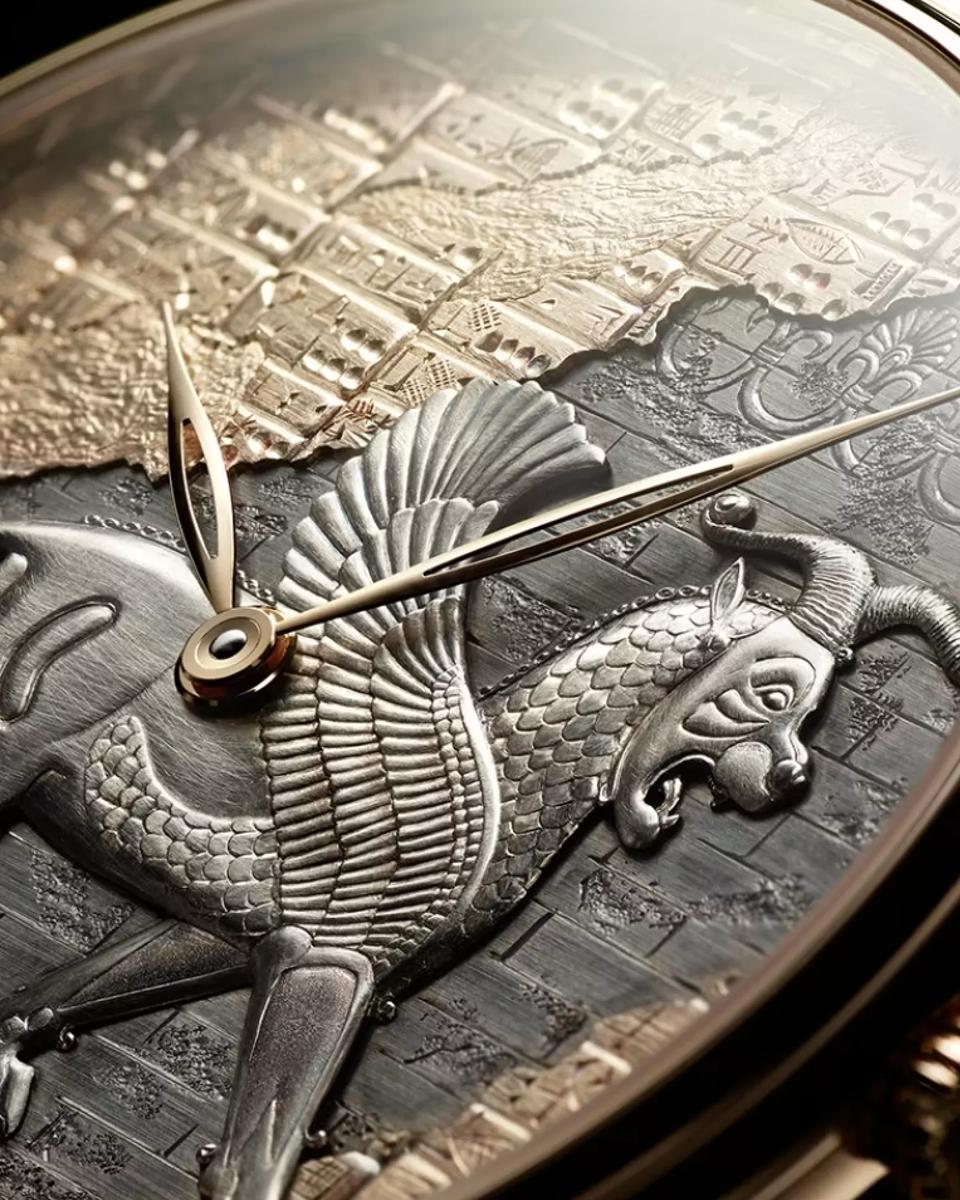
Known for grand complications, such as perpetual calendars, minute repeaters, tourbillons, and ultra-slim movements.
Notable Models
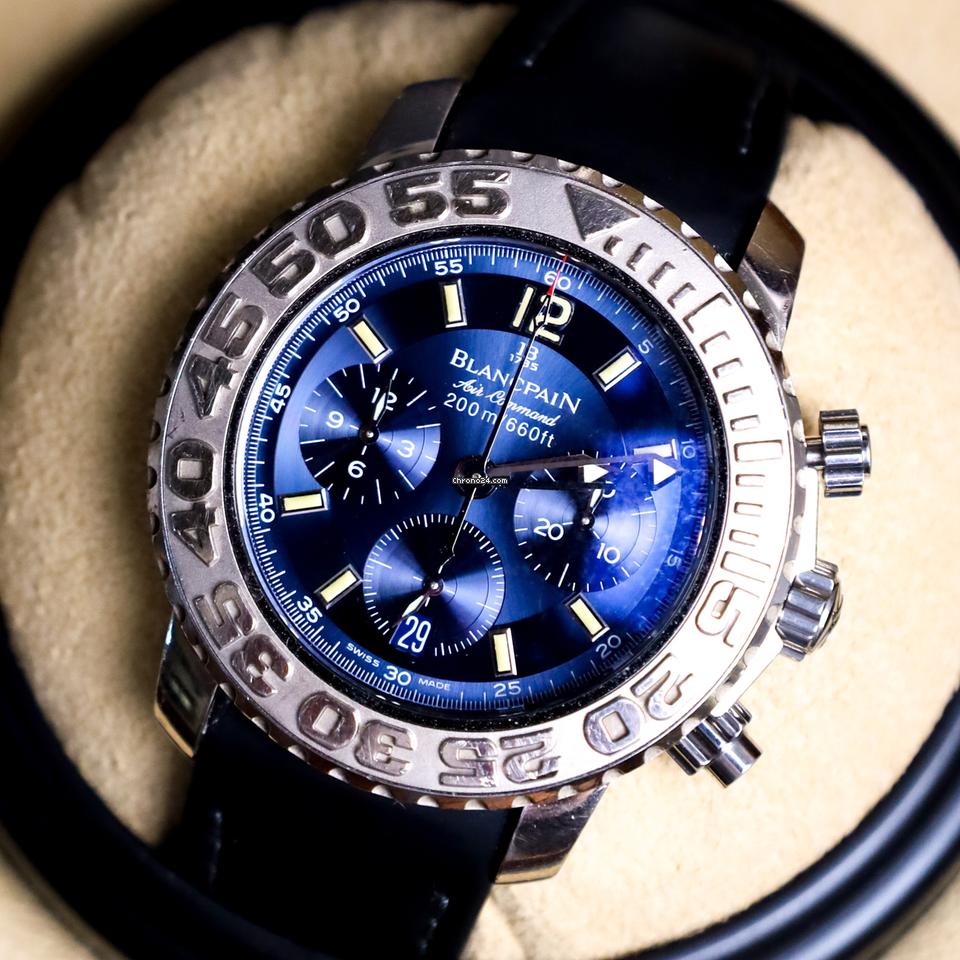
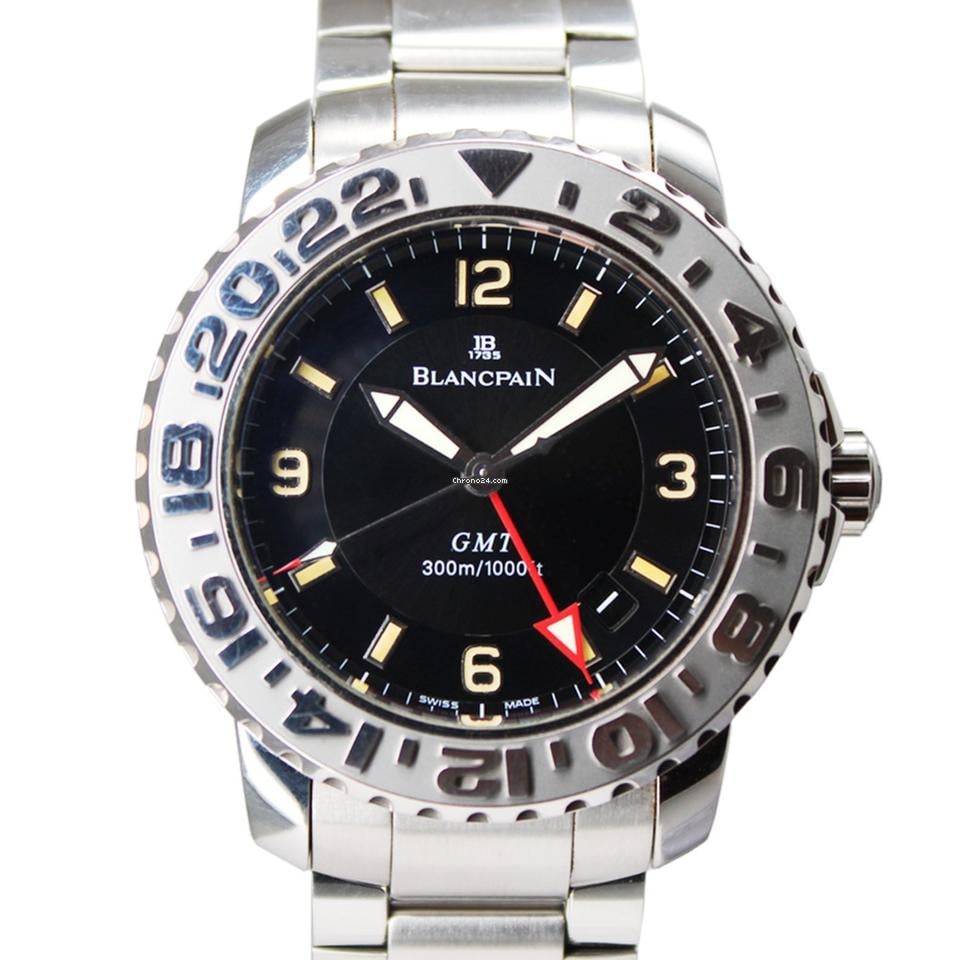
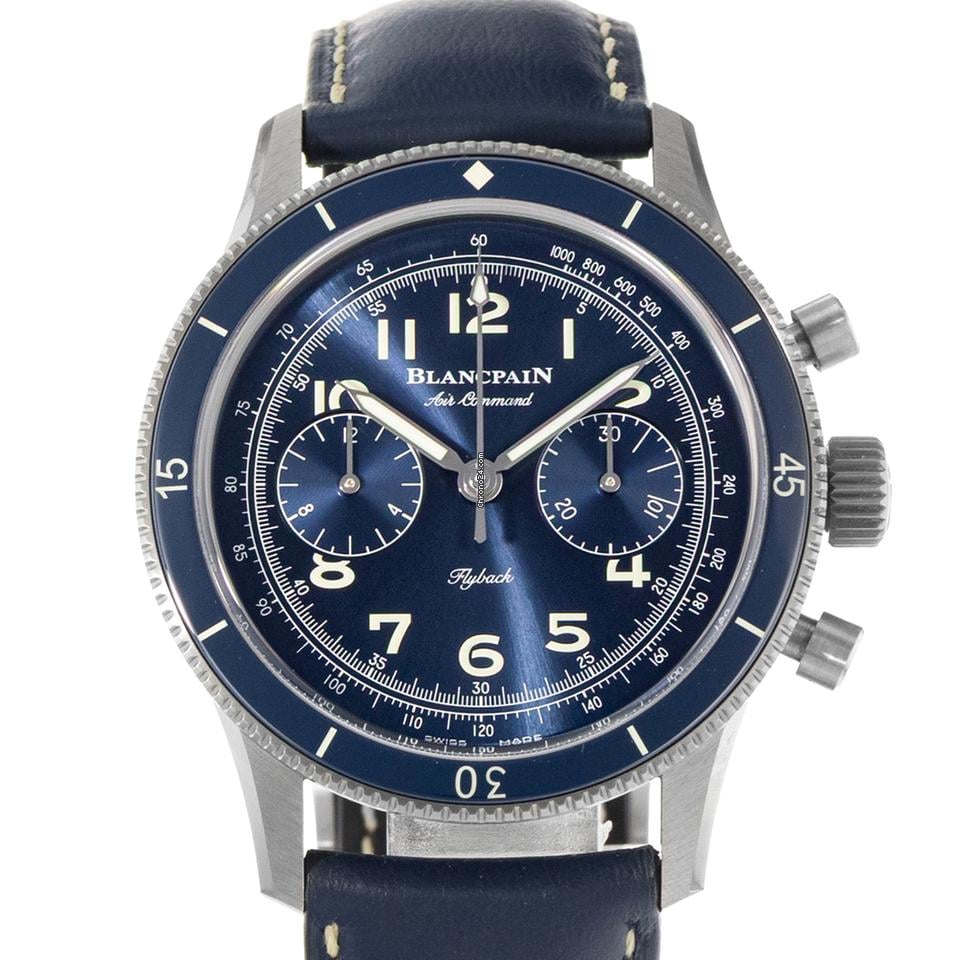
Air Command – A modern reissue of a rare military chronograph from the 1950s.
Fifty Fathoms – Legendary dive watch, often credited as the first modern diver’s watch.
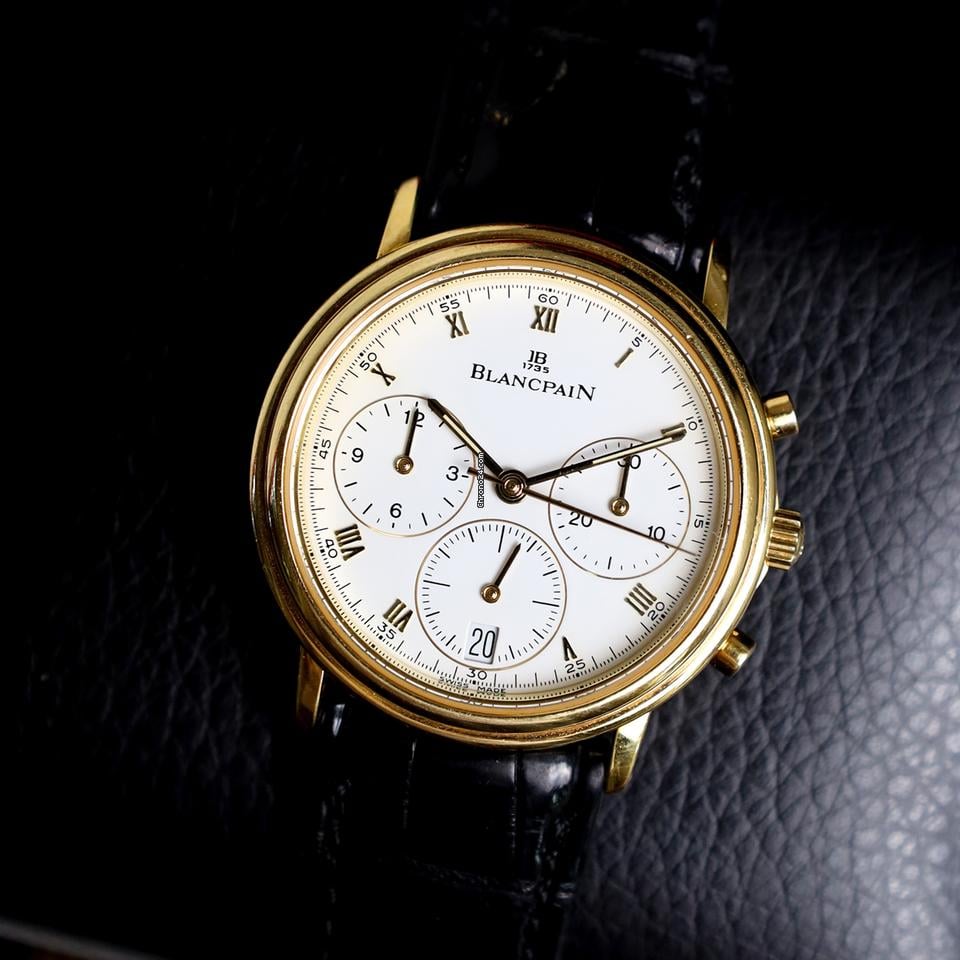
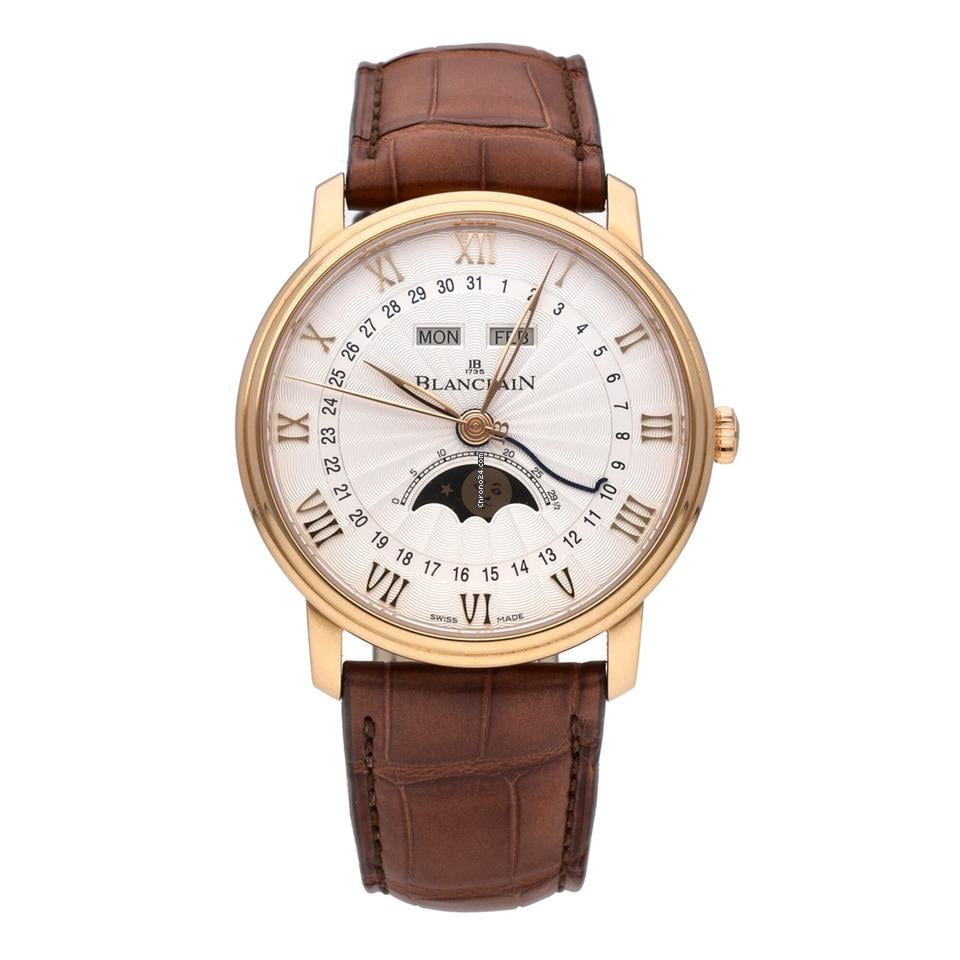
Villeret – Timeless dress watch collection with ultra-thin calibers.
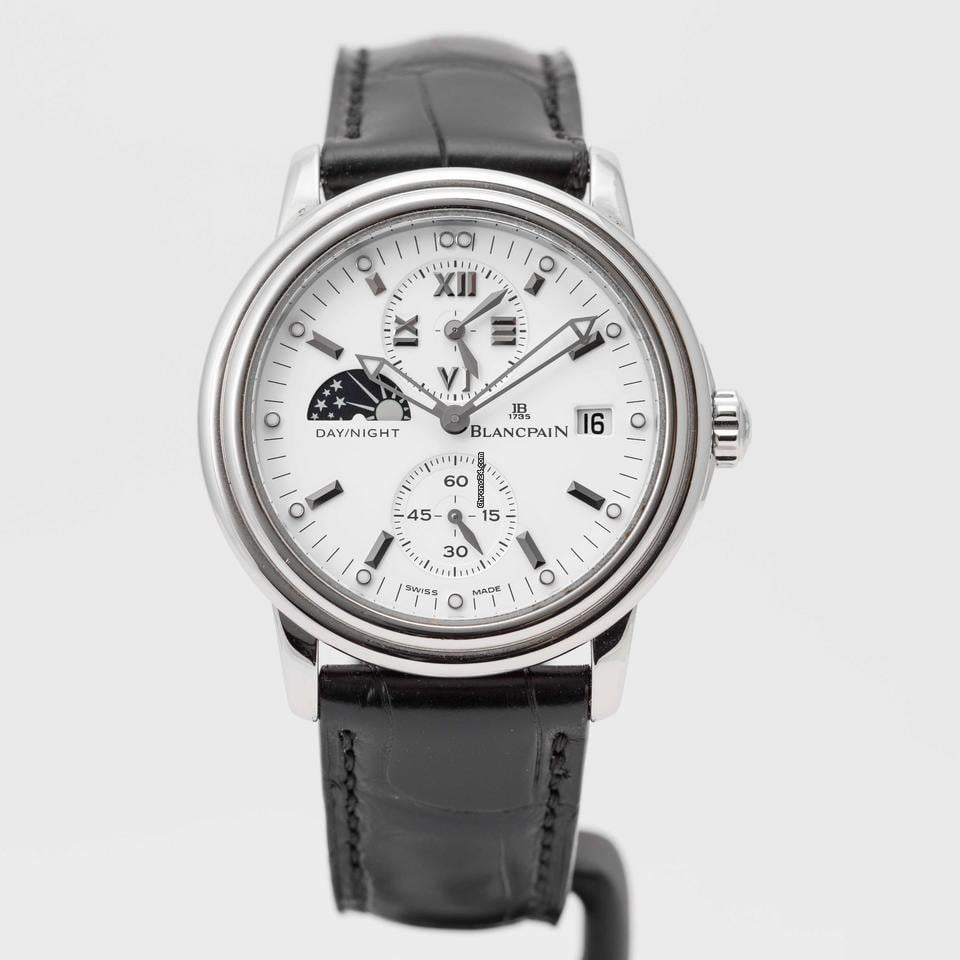
Le Brassus – Named after the location of Blancpain’s workshops in the Vallée de Joux, often featuring high complications.
Brand Identity
Blancpain is associated with heritage, craftsmanship, and mechanical purity. It produces a limited number of watches each year, emphasizing hand-finishing and in-house movement production. Many of its watches feature display casebacks to showcase intricate movement decoration.

lancpain is widely credited with helping to save the Swiss mechanical watch industry in the 1980s by proving there was still a market for handcrafted, complicated watches—even in the quartz era.